Engine Paint


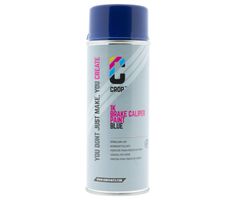
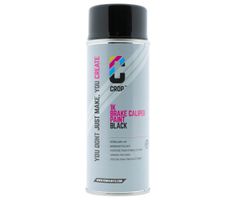

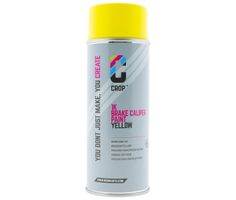
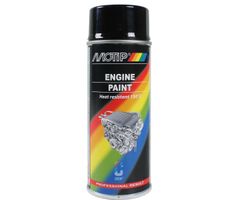
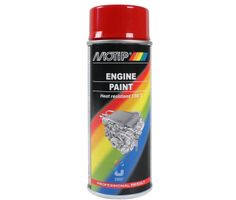
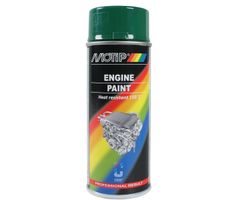

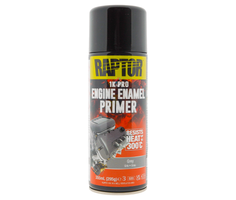
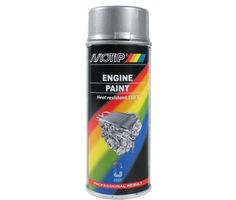
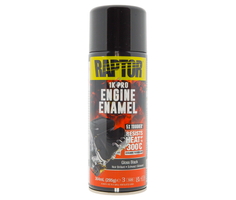
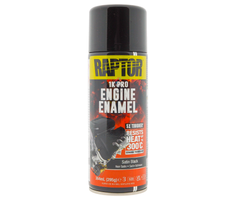
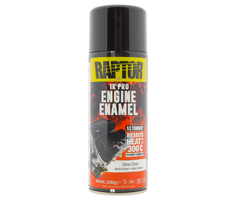
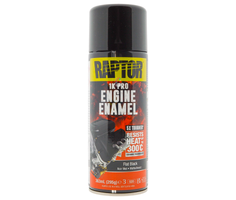
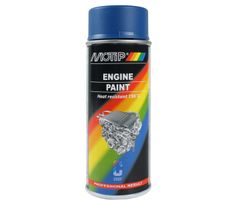
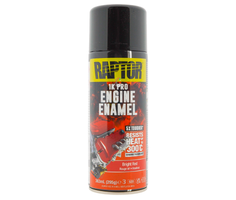

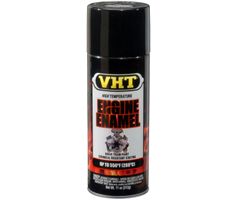

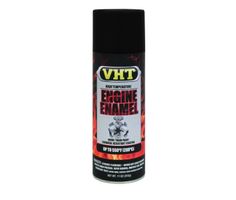

Engine Block Paint
Engine block paint is a heat-resistant coating for car and motorcycle engine blocks, designed to resist heat, oil, petrol, diesel and workshop chemicals. It is suitable for cast iron and aluminium engine parts, especially during restoration, engine bay refreshes and custom builds.
Engine Block Paint is used by DIY users, restorers and workshops who want a cleaner finish, better long-term protection and a colour that suits the project. It is popular for classic Mini and Land Rover restoration, BMW, Audi and Mercedes-Benz engine bay refurbishment, and Volkswagen or Toyota rebuild projects.
- Heat resistant: Designed for engine parts exposed to high operating temperatures.
- Oil and petrol resistant: Suitable for areas exposed to workshop fluids and engine bay contamination.
- Corrosion protection: Helps protect prepared metal from rust and ageing.
- Multiple colours and finishes: Available in black, silver, red, blue and OEM-style colours where offered.
- Suitable for DIY and workshop use: Ideal for restorations, rebuilds and engine bay detailing.
Prepare your project with heat resistant paint, degreasers and primer spray paint.
What is engine block paint and when should you use it?
Engine block paint is a specialist coating for engine parts exposed to heat, oil mist, petrol splashes, road grime and corrosion risk. It is more suitable for engine work than regular spray paint because it is designed for higher temperatures and harsher conditions.
Engine paint is a broad term for coatings used on engine-related parts. Engine block paint is specifically used on engine blocks and compatible metal engine components. Engine enamel is often a durable specialist coating designed for engine parts, with strong resistance to heat, fluids and wear.
An engine block usually does not require a 600°C coating in normal use. Many engine block paints are suitable from around 250°C upwards, while higher temperature ratings are more relevant for hotter components. Exhaust manifolds and headers usually need dedicated exhaust or manifold coatings.
Compared with regular spray paint, engine block paint offers better heat resistance, chemical resistance and adhesion on prepared engine parts. General heat resistant paint may handle temperature, but it may not always offer the same resistance to oil, petrol or engine bay contamination.
For related coatings, view heat resistant paint and brake caliper paint.
How to choose the right engine block paint
For cast iron engine blocks
Cast iron engine blocks need thorough cleaning and rust removal before painting. A suitable primer can help on bare or heavily sanded areas, depending on the paint system.
For aluminium engine parts
Aluminium engine parts need careful degreasing and surface preparation. Use a coating and primer system that is suitable for aluminium where required.
For motorbike engines
Motorbike engines often have more visible painted surfaces, so finish choice matters. Aerosol engine paint is practical for covers, casings and selected engine parts when the product is compatible.
For restored and classic engines
For classic cars and restoration work, choose the colour and finish based on the original look or the style of the rebuild. Black, silver, red, blue and OEM-style colours are common choices where available.
Aerosol engine paint is easy to apply on installed engines and helps create an even finish. Brush-on engine enamel can be useful on rougher cast surfaces or when a thicker coating is preferred.
Choose matt for an OEM-style or understated look, satin for a balanced finish and gloss for show-car or cleaner visual results. Wrinkle finishes are suitable only for selected parts and products.
Choose the paint based on substrate, finish, temperature rating and whether the engine is in or out of the vehicle. Browse VHT, MoTip and RAL colours where available.
Do you need primer or clear coat?
Engine primer is a heat-resistant undercoat that improves adhesion on bare, sanded or repaired metal. Primer is recommended on bare metal, repaired surfaces, heavily sanded areas and mixed substrates.
Direct application may be possible if the engine paint is designed for it and the surface is clean, sound and properly prepared. Always check the product instructions before spraying directly onto metal or existing paint.
Clear coat is optional and not always required. Some engine paint systems are designed as a finished coating, while others may allow a compatible clear coat for extra protection or gloss.
Always check the product instructions before applying clear coat, because not every engine paint system is designed to be clear coated. View primer spray paint and clear coat spray.
How to paint an engine block
- Degrease the engine block thoroughly to remove oil, grease, fuel residue and workshop contamination.
- Remove loose rust and old paint using sandpaper, a wire brush or suitable abrasive tools.
- Sand or key the surface so the coating has a suitable surface to bond to.
- Mask critical parts including gasket surfaces, ports, hoses, belts, pulleys, sensors, electrical connectors and threaded sealing surfaces.
- Apply primer if needed on bare metal, repaired areas or mixed substrates.
- Spray 2 to 3 thin coats of engine block paint, allowing the correct flash-off time between coats.
- Allow full cure before running the engine or exposing the coating to heat and fluids.
Painting with the engine out of the vehicle is easier, but painting in situ is possible with careful masking. Do not spray gasket surfaces, belts, pulleys, sensors, electrical connectors, threaded sealing surfaces or exhaust manifolds unless the product is specifically rated for that use.
For the best result, apply several light coats rather than one heavy coat to avoid runs and solvent trapping. Drying between coats and full curing are different stages, so always follow the product instructions.
Prepare the job with masking tape, sandpaper, degreasers and technical sprays.
Temperature resistance, drying time and common mistakes
Engine block paint is designed for parts exposed to engine bay heat, oil, petrol, diesel, chemicals, dirt and general wear, depending on the product. For exhausts, manifolds and very hot components, use a coating specifically rated for those temperatures.
Drying time is the time needed before the coating can be handled or recoated. Curing time is the time needed for the coating to reach its final hardness and resistance. Always follow the product data sheet or label for exact drying, recoating and curing times.
- Poor degreasing: Oil and silicone contamination can reduce adhesion.
- Coats too thick: Heavy layers can cause runs, slow curing and solvent trapping.
- No masking of critical surfaces: Gasket faces, sensors and pulleys must be protected.
- Starting the engine too soon: Heat exposure before full cure can affect the finish.
A durable finish depends more on preparation and correct curing than on colour alone. For related products, view heat resistant paint and technical sprays.
Best brands and typical use cases
Engine block paint is available from brands such as CROP, VHT and MoTip. The right choice depends on temperature rating, finish, curing instructions and substrate suitability.
- CROP engine block paint: A practical choice for DIY and workshop users looking for straightforward aerosol application.
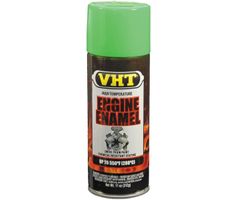
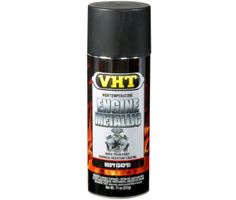
- VHT engine enamel: A specialist option for users who want high-temperature engine enamel and more technical finishes.
- MoTip engine paint: An accessible option for routine refurbishment and general engine bay work.
Typical use cases include classic car restoration, engine rebuilds, rocker covers, brackets and cylinder heads where the product is compatible. Always check the product label before using engine paint on a specific part.
View VHT, MoTip and heat resistant paint.
Buy engine block paint from CROP
Buy Engine Block Paint from CROP and choose heat-resistant coatings for car engines, motorcycle engines, restoration work and engine bay refurbishment. At NonPaints.com, you can find aerosol engine paint in different colours, finishes and temperature ratings.
Need help choosing the right engine paint, primer or preparation products? Our product specialists can help you select the right system for your engine part, substrate and finish.