Polishers
-
-
-
-
-
-
-
-
-
Which polisher do I need?
With a few targeted questions to find the best polisher for you
-
-
-
-
-
-
-
-
-
-
-
-
-
-
-
-


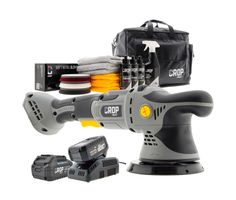


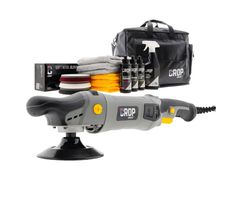
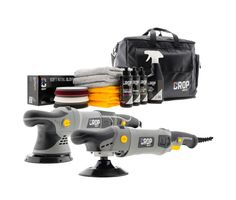


Car Polishers: Dual Action, Rotary & Cordless
Car Polishers are machine polishers used for car detailing, paint correction and gloss enhancement. They help improve paintwork by removing swirl marks, oxidation, light scratches and dullness when used with the correct polishing pad and compound.
This category is suited to beginners, detailing enthusiasts and professional detailers. Use a car polisher on car paint, gelcoat and other smooth painted surfaces to restore clarity, refine gloss and achieve a more consistent finish.
What is a Polisher?
A polisher is a machine used to improve the finish of paint and other smooth surfaces. In car detailing, it helps remove swirl marks, oxidation, light scratches and dullness when used with the correct pad and polishing compound.
This page focuses on machine polishers for car detailing and paint correction. They are used for swirl removal, refining gloss, removing light defects and restoring dull paintwork on vehicles such as Volkswagen, BMW, Mercedes-Benz, Audi, Toyota, MINI, Jaguar and Land Rover.
For the best result, combine your machine with suitable polishing pads and polishing compounds.
Which Polisher Should You Choose?
The right car polisher depends on your experience, the paint condition, the panel size and how much correction you want to achieve.
- Beginner: choose a dual action polisher for safe, controlled polishing on daily drivers and softer paintwork
- Heavy correction: choose a rotary polisher for faster correction on deeper defects, oxidation and harder paint
- Tight areas: choose a mini polisher for bumpers, pillars, mirror caps and tighter areas on cars such as a MINI
- Mobile use: choose a cordless polisher for freedom of movement on location
- Longer jobs: choose an electric polisher for constant power during full vehicle correction
A dual action polisher is usually the safest all-round starting point, especially for paint correction on black BMW paint, a Volkswagen daily driver or larger panels on an Audi or Land Rover.
Polisher Types Compared
Dual action polishers
A dual action polisher combines rotation with an orbital movement. It is best for beginners, enthusiasts and regular paint correction because it offers strong results with a lower risk of holograms or paint damage.
The main benefit is control. It is a practical choice for swirl marks, light scratches and gloss improvement on most vehicle paintwork.
Rotary polishers
A rotary polisher uses a direct rotating motion. It is best for heavier correction, deeper paint defects and professional use where faster cutting power is required.
Rotary machines create more heat and need more control. They can correct paint quickly, but they can also damage paint faster if used incorrectly.
Random orbital polishers
A random orbital polisher is designed for safe, user-friendly polishing with an orbital movement. It is a good option for refining paintwork, applying finishing polish and improving gloss.
Electric vs cordless polishers
Electric polishers provide constant power for longer correction jobs. Cordless polishers give more freedom of movement and are useful for mobile work, small repairs and areas where a cable is less convenient.
What’s the Difference Between a Polisher and a Buffer?
A polisher is usually used for paint correction and gloss improvement, while a buffer is more often associated with finishing or wax application.
The terms are often used interchangeably. On car paint, a dual action polisher is generally safer and more precise for correction work than a basic buffer.
Polish vs wax
Polish corrects paint defects such as swirl marks, haze and light scratches. Wax protects the finish after polishing and adds gloss.
Polishing is worth it when paint looks dull, has swirl marks or shows light scratches that reduce clarity and shine.
How to Choose the Right Car Polisher
When choosing a car polisher, compare the pad size, backing plate size, orbit size, speed range, weight, balance and whether you prefer corded or cordless use.
- 75mm polishers are ideal for tight areas, bumpers, pillars, mirrors and spot repairs
- 125mm polishers are a strong all-round choice for doors, wings, bonnets and general detailing
- 150mm polishers suit larger panels and faster coverage on bigger vehicles
Beginners usually benefit from a dual action machine with a manageable pad size and clear speed control. Professional users may prefer multiple machines, including rotary, mini and cordless polishers for different correction tasks.
Choose a machine-only polisher if you already have pads, polish and backing plates. Choose a polisher set if you want a complete starting point with matching accessories.
If you are unsure, start with a dual action machine and match it with the right pad and compound for the finish you want.
Browse 75mm polishers, polisher sets, polisher accessories, backing plates and polishing pads.
How to Use a Polisher Safely
Using a polisher safely starts with clean paintwork, the right pad and a controlled working method.
- Wash and decontaminate the vehicle before polishing
- Inspect the paint under good lighting
- Choose the correct polishing pad and compound
- Start at a low speed to spread the polish evenly
- Work in small sections and keep the machine moving
- Wipe the area clean and inspect the result
- Protect the finish with wax, sealant or coating after polishing
Keeping the machine moving helps reduce heat build-up. Common mistakes include using too much pressure, choosing the wrong pad and product combination, staying too long on an edge or starting too aggressively.
Rotary machines can damage paint faster if used incorrectly, so they require more control and experience.
Shop polishing compounds, finishing polish and sanding and polishing accessories.
Best Polisher Brands at CROP
CROP offers car polishers for beginners, enthusiasts and professional detailers. Each brand has its own focus, from premium correction machines to accessible all-round choices.
- RUPES polishers – known for a premium detailing reputation and refined machine control
- FLEX polishers – powerful professional machines for demanding correction work
- ShineMate polishers – strong value-for-money options for enthusiasts and professionals
- Liquid Elements polishers – practical machines with a strong balance between performance and price
- MaxShine polishers – accessible detailing machines and accessories for a wide range of users
- CROP polishers – accessible all-round choices for car polishing and detailing work
Exact specifications, supplied accessories and warranty details vary by model.
Buy a Car Polisher at CROP
Buy a car polisher at CROP and compare a wide choice of dual action, rotary, mini, cordless and electric polishers in one place. Whether you need a safe first machine or a professional polisher for regular correction work, you can find the right model for your paintwork and experience level.
Accessories are available separately or in complete kits, including polishing pads, backing plates, compounds and finishing products. Beginners, enthusiasts and trade users can also rely on expert advice, fast delivery and a 5-year warranty where applicable.
Choose your car polisher, match it with the right pad and compound, and start improving gloss, clarity and paint correction results with confidence.
Maintaining Your Car Polisher
A well-maintained car polisher performs better and lasts longer. Clean the machine with a dry cloth after use and remove polish residue, dust and product build-up from the housing and ventilation openings.
Check the plug, cable, battery and backing plate regularly for wear or damage. Store the polisher in a dry place and replace worn polishing pads in time, as old pads reduce performance and can put extra strain on the machine.
For regular use, blow fine dust from the ventilation openings with compressed air where suitable. This helps keep the machine running smoothly during future polishing work.