Epoxy primer
-
-
-
 €15.70 €15.70
 -
-
-
-
-
-
Which primer do I need?
With a few targeted questions to find the best primer for you!
-
-
-
-
-
-
-
-
-
-
-
-
-
-

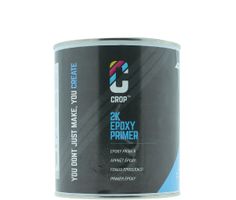
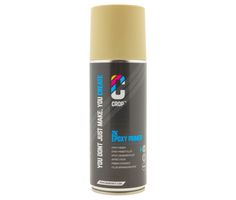
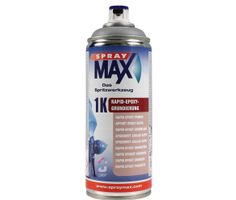
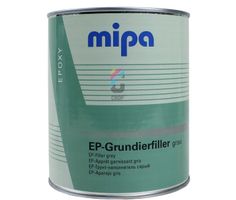
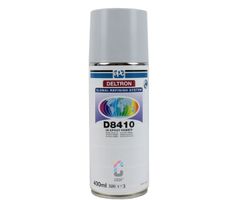
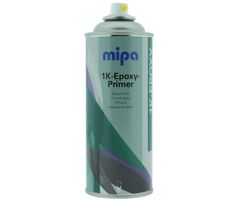
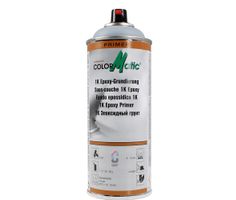


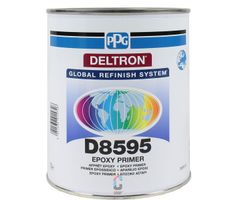




Epoxy Primer, the best primer for paint
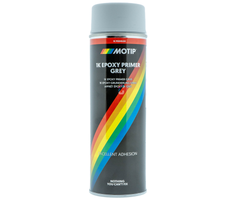
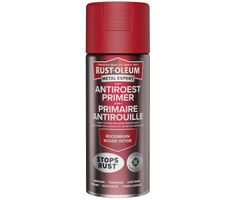
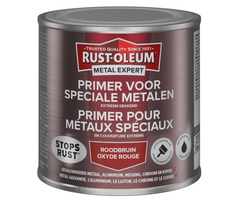
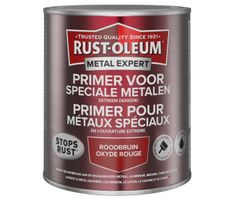
Epoxy Primer has been named the best primer for paint to make it adhere firmly to the surface. An epoxy primer provides excellent rust protection in addition to durable adhesion. This makes an epoxy primer ideal for priming metal, cars and other surfaces. No matter whether you are working on a restoration project, bodywork repair, industrial metalwork or a demanding hobby job; an epoxy primer is always a good choice! As a specialist, at CROP you will find Europe's largest selection of different types of epoxy primer from the best brands like CROP, SprayMax, MoTip, MIPA, PPG and U-Pol. Explore further soon!
What is an epoxy primer?
An epoxy primer is professional primer based on epoxy resin. Because of the epoxy in the primer, it provides strong adhesion to metal, aluminum, steel, zinc, putty and existing paint or lacquer. This primer is known to be rust inhibiting, etching and universally refinishable with virtually any type of paint. This makes epoxy primers popular with professionals and discerning do-it-yourselfers alike.
Benefits of epoxy primer
Using a good epoxy rust primer has advantages over other primers. The advantages of an epoxy rust primer are:
- Superior adhesion to bare metal, putty and existing paint
- Protects against rust, corrosion and oxidation
- Universally repaintable with virtually all lacquers and paints
- Easily sandable after curing for smooth results
- Available in spray can and can packaging
- Choice of various colors: gray, beige, black
1K and 2K Epoxy Primer. What's the difference?
When choosing an epoxy primer as a primer, you end up with two types: a 1K and 2K quality. While they both provide good adhesion and protection against rust, there are important differences in product composition, processing and application. Below we explain to you the difference between 1K and 2K epoxy primer, so you can make the right choice for your project.
1K Epoxy Primer, fast drying and ready to use
1K Epoxy Primer is ideal for those who want to work quickly and efficiently. Because the primer does not need a hardener and consists of one component, it is ready to use and fast drying. This makes a 1K epoxy primer ideal for small repairs or where speed is desired. Despite the convenience, 1K epoxy primers still provide good adhesion and rust resistance.
2K Epoxy Primer, maximum rust protection and adhesion
2K Epoxy Primer consists of two components, the primer and hardener. Mixing these together creates a chemical reaction that ensures the primer provides a very strong, durable bond with long-term protection against corrosion and oxidation. 2K epoxy primers are often used in professional applications such as an auto body repair, industrial coatings or restoration projects of vintage and classic cars.
Epoxy primer in spray can, fast and easy to use
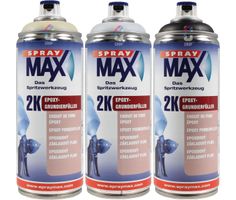
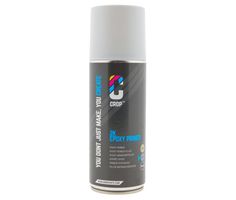
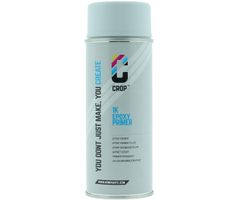
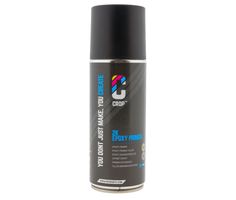
An epoxy primer in spray can is ideal for those who want to apply a professional primer quickly and easily without the use of spraying equipment. Thanks to its ready-to-use application, a spray can of epoxy primer is perfect for smaller surfaces, spot repairs or hard-to-reach areas. In particular, CROP's 2K epoxy primer spray can offers high-quality rust protection and strong adhesion thanks to its internal mixing system. The two components are activated only upon use, so you benefit from the durability of a 2K primer with the convenience of a spray can. Available in various colors such as gray, black and beige.
Epoxy Primer in a can, for professional paint spray work
For larger surfaces or professional paint spray work, a canned epoxy prim er is the best choice. This primer is applied with a spray gun, which ensures even coverage and smooth results. A canned epoxy primer offers maximum control over mixing ratio and film thickness, which is essential when spraying complete vehicles or industrial parts. Ideal for experienced users, auto body repair and restoration projects where high demands are placed on adhesion and durability.
Epoxy Primer for cars and bodywork
Are you going to paint a car or vintage car? Then an epoxy primer is the best primer to use! This primer adheres very well to the bare bodywork of the car or vintage car. In addition, it provides a professional rust protection that keeps the body of the car free from rust, corrosion and oxidation. After applying the epoxy primer to the car, you can sand the bodywork to a smooth surface. After sanding the epoxy primer, apply the desired basecoat or 2K automotive paint.
Buy epoxy primer at CROP
You can buy epoxy primer from a wide rangeat CROP. Online at NonPaints.com you can choose from the 1K quick drying primer with epoxy, to the most professional 2K epoxy primer for jobs where only the best result counts. Besides different qualities, you also have the choice of primers in cans and epoxy primer in spray can.
Other categories
Frequently Asked Questions
What is primer spray paint?
What do you use primer spray paint for?
How long should primer dry?
Do you need to sand primer
Once the primer is dry, you need to sand it. Sanding the primer smooths the surface and lightly roughens the primer layer. This helps the color car paint or 2K paint adhere better to the primer. If you don’t sand the primer, the paint will not adhere as well to the base coat.
Is primer necessary to use?
Basically, primer is necessary to ensure the paint adheres to the surface according to the RAL number. However, if you're spraying this paint over existing paint that is already in good condition, it is not necessary to use a primer. If you're unsure whether a bonding primer is needed, we always recommend using it! Sand off any loose paint first and apply a primer for the best adhesion and durability of the spray paint.
Which color primer should I use?
For some car paint colors, it's important to use the right color primer. In this case, grey primer is the most commonly chosen color for the base coat.
Do you need primer over rust converter?
No, no primer is needed over a rust converter. As the name suggests, it encapsulates and transforms the rust into a primer-like layer, preventing further rusting of the surface. You can directly apply car paint, 2K paint, or a coating over a rust converter.
Do you use filler or primer first?
Primer ensures the adhesion of the color paint you want to spray. For this reason, you apply filler first and then primer, so that the color paint adheres properly to the primer.