Plastic primer
-
-
-
-
-
-
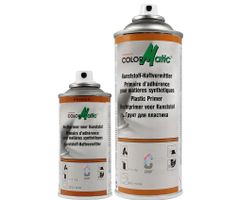 As low as €8.15 €8.15
 -
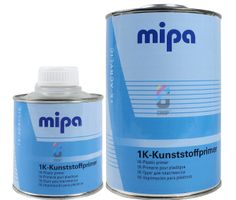 As low as €12.42 €12.42
 -
-
Which primer do I need?
With a few targeted questions to find the best primer for you!
-
-
-
-
-
-

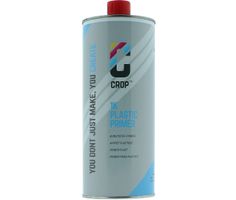
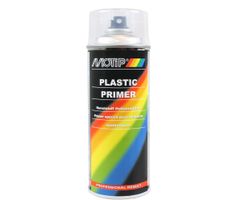
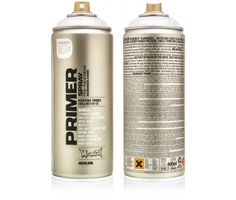
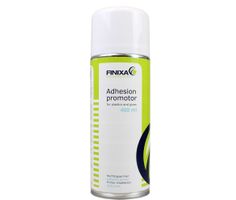

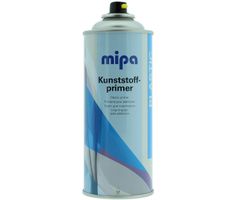

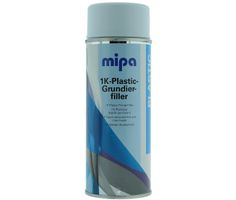
Plastic Primer for optimal adhesion on Plastic
Plastic Primer is necessary when you want to apply paint or lacquer to plastic. By nature, plastic is smooth and non-porous. This means that ordinary paint or car paint without primer adheres poorly. By using a good plastic primer, you create a perfect surface for a durable finish. This makes a plastic primer ideal as a primer for use on a plastic bumper, spoiler, mirror cover or other plastic surfaces. At CROP, you enjoy a wide selection of high-quality plastic primers that adhere to all types of plastic. Explore the range at NonPaints.com.
What is a plastic primer?
A plastic primer, also known as plastic primer, is a transparent primer designed specifically for use plastic substrates. This adhesive primer ensures that lacquer or paint will adhere well and will not peel off. Plastic primers are always 1K products, which means they are ready to use and dry quickly. This means that there is no such thing as a 2K plastic primer. The quick drying time of plastic primer allows you to continue working quickly on your paint project.
Why is primer on plastic necessary?
Plastic is a difficult surface when it comes to paint or lacquer adhesion. Without primer, paint and lacquer can start to peel, flake or cover poorly. A plastic primer ensures a good adhesive, strong bond between the plastic and the paint layer. This makes the final finish more durable and professional. This applies to car parts as well as other plastic objects and items.
What types of plastic primers are there?
As a specialist, you can choose from different types of plastic primers at CROP, depending on your preference and the type of job. For example, there are:
- Spray can plastic primer: ideal for smaller projects or hard-to-reach areas
- Canned plastic primer: suitable for professional use with a paint sprayer
- Fast drying plastic primers: for efficient work without long waiting times
- Universal adhesion primers: suitable for almost all types of plastic
Popular brands of plastic primer at CROP
At NonPaints.com, we offer high-quality plastic adhesion primers from the best brands. Below is a list of our best-selling plastic primers:
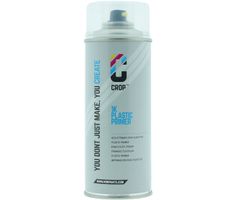
- CROP Plastic Primer: comes in spray can and can. These primers for plastic are of the highest quality for professional and demanding DIY use.
- MoTip Plastic Primer: transparent spray can that dries quickly and is suitable for any type of plastic. This primer does not need to be sanded after drying and can be painted directly.
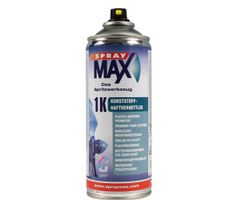
- SprayMax Plastic Primer: good quality adhesion primer in an aerosol can. Gives excellent adhesion for paint and lacquer.
- MIPA Plastic Adhesion Primer: widely used in various industries. Provides durable adhesion and is easy to apply.
- FINIXA Plastic Primer: high adhesion, suitable for use on new and recycled plastic.
- Montana Plastic Primer: great for creative applications or industrial projects.
When do you use a plastic primer?
A plastic primer is used when spraying, painting or repairing plastic parts. When you are going to use plastic primer, it is important that the plastic is thoroughly clean and grease-free. To do this, use a high-quality degreaser. This will also be safe for the plastic material during cleaning. After drying, you can directly refinish the primer with a paint of your choice. In practice, a primer for plastic is used for on:
- Bumpers
- Mirror caps
- Spoilers
- Window frames
- Interior parts of cars
- Plastic housings or objects in the house or garden
Tips for using plastic primer
- Apply in thin layers for best results
- Allow sufficient drying according to the recommended time on the label
- Use personal protective equipment such as gloves and a mouth mask when spraying
Buy plastic primer at CROP
Buy Plastic Primer at CROP from a large assortment in different packages. This makes CROP the specialist for you in the field of special plastic adhesion primers. With the right plastic primer you lay the foundation for a tight and durable end result. Order your plastic primer before 10 p.m. and receive it the next day. Need help choosing the right primer? Our product specialists are ready to help you!
Other categories
Frequently asked questions about Plastic primer
What is primer spray paint?
What do you use primer spray paint for?
How long should primer dry?
Do you need to sand primer
Once the primer is dry, you need to sand it. Sanding the primer smooths the surface and lightly roughens the primer layer. This helps the color car paint or 2K paint adhere better to the primer. If you don’t sand the primer, the paint will not adhere as well to the base coat.
Is primer necessary to use?
Basically, primer is necessary to ensure the paint adheres to the surface according to the RAL number. However, if you're spraying this paint over existing paint that is already in good condition, it is not necessary to use a primer. If you're unsure whether a bonding primer is needed, we always recommend using it! Sand off any loose paint first and apply a primer for the best adhesion and durability of the spray paint.
Which color primer should I use?
For some car paint colors, it's important to use the right color primer. In this case, grey primer is the most commonly chosen color for the base coat.
Do you need primer over rust converter?
No, no primer is needed over a rust converter. As the name suggests, it encapsulates and transforms the rust into a primer-like layer, preventing further rusting of the surface. You can directly apply car paint, 2K paint, or a coating over a rust converter.
Do you use filler or primer first?
Primer ensures the adhesion of the color paint you want to spray. For this reason, you apply filler first and then primer, so that the color paint adheres properly to the primer.