Sander with dust extraction
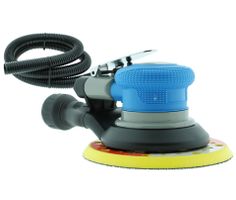


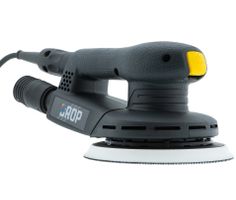
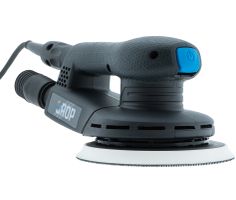
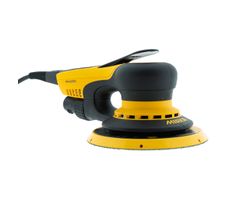
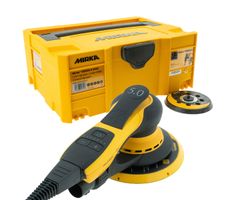
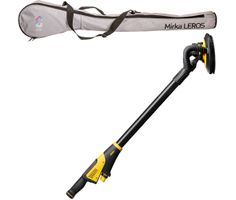
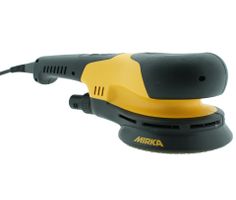
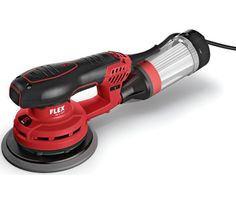
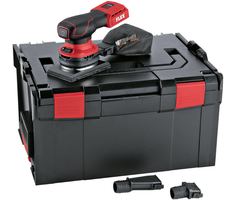
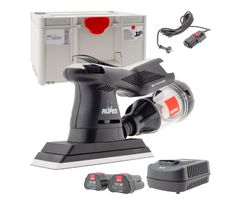
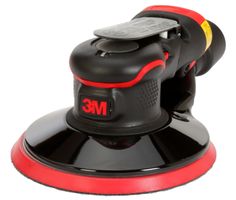
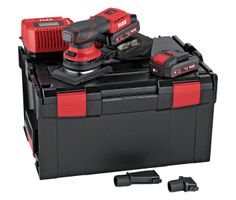
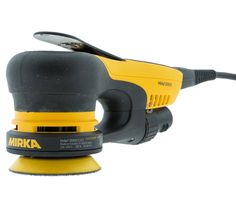

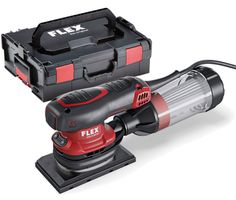
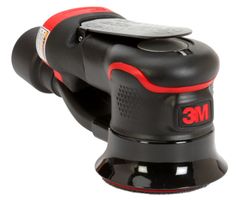

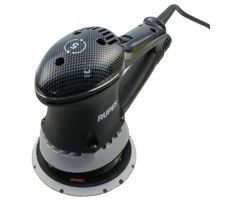

What are sanders with dust extraction?
Sanders with dust extraction are sanding machines designed to remove sanding dust while you work. Dust is drawn through holes in the backing pad and abrasive, then collected in a dust bag or, preferably, extracted through a hose connected to a dedicated dust extractor.
This setup helps keep the working area cleaner, reduces airborne dust and supports a better finish because the abrasive clogs less quickly. It is especially useful when sanding wood, filler, paint, plaster and automotive panels.
Sanders with dust extraction use airflow through the sanding pad and abrasive to collect dust at the source. When connected to a suitable dust extractor and used with the correct sanding discs or mesh abrasives, they provide cleaner, more controlled sanding for DIY, workshop and professional use.
Although “dustless sanding” is often used as a term, sanding is not completely dust-free in every situation. With the right machine, abrasive, hose and extractor, dust collection can reach up to approximately 99% depending on the setup and material.
At NonPaints.com, you can find sanders, vacuum cleaners and dust extractors, sanding mesh and sanding abrasives for a complete low-dust sanding setup.
Why choose a sander with dust extraction?
Yes, sanders with dust extraction are worth it if you sand regularly or work indoors. They make sanding cleaner, help you see the surface more clearly and keep the abrasive working effectively for longer.
Fine dust from wood, filler, paint and plaster can be harmful, especially in enclosed spaces. A sander connected to a dedicated dust extractor usually provides more consistent suction than a dust bag alone, making it a practical choice for regular sanding.
- Less clean-up: Dust is collected while you sand, reducing the amount left on floors, benches and surfaces.
- Improved visibility: Less dust on the surface makes it easier to check the sanding result as you work.
- Less clogging: Efficient extraction helps keep the abrasive open and effective for longer.
- More consistent finish: Cleaner sanding improves control and helps prevent dust build-up under the abrasive.
- Better for indoor work: Useful in workshops, garages and enclosed areas where fine dust can quickly spread.
For regular sanding, a proper extraction setup is usually worth it because it improves both the working process and the final result.
How does dust extraction work when sanding?
Dust extraction works by creating airflow through the holes in the backing pad and abrasive. As the sander moves over the surface, sanding dust is pulled through these holes into the hose and then into a dust bag or extractor.
For the best result, the sander, backing pad, abrasive and extractor need to work together. If one part of the system does not match, suction performance can be reduced.
Dust bag vs vacuum extractor
A dust bag provides basic dust collection and is useful for smaller jobs or quick sanding tasks. It is simple and portable, but it usually offers less suction and lower fine dust control than a dedicated extractor.
A sanding vacuum cleaner or dust extractor provides stronger and more consistent suction. This makes it better for fine dust, longer sanding sessions and professional use.
Do you need special abrasives?
Yes, for effective extraction you need perforated sanding discs or sanding mesh. The holes in the abrasive must align correctly with the holes in the backing pad so dust can be pulled through efficiently.
Mesh abrasives are often a strong choice for low-dust sanding because the open structure allows dust to pass through across a wider area. You can also use suitable sanding paper abrasives with the correct hole pattern.
Which type of sander with dust extraction do you need?
Random orbital sander
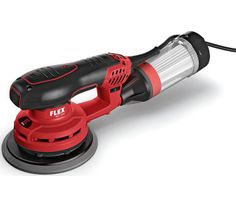
A random orbital sander is often the most versatile choice for wood, filler, painted panels and larger flat surfaces. It combines rotary and orbital movement to remove material efficiently while still allowing controlled finishing.
Best for: Interior doors, furniture restoration, automotive prep, filler work and general workshop sanding.
Less suitable for: Tight corners, narrow edges and very small detailed areas.
Delta/detail sander
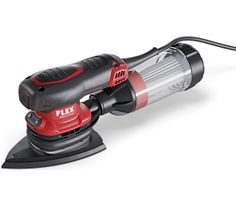
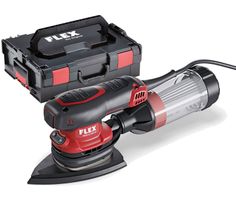
A delta or detail sander is designed for corners, edges, trims and smaller repair areas. The triangular pad makes it easier to reach places that a round sanding pad cannot access.
Best for: Corners, skirting boards, trims, stair parts and detailed repair work.
Less suitable for: Large flat surfaces where a random orbital or sheet sander is faster.
Sheet sander
A sheet sander is suitable for flat timber surfaces such as doors, shelves, stair parts and joinery. It works with rectangular abrasive sheets and is a practical option for controlled sanding on flat areas.
Best for: Flat woodwork, doors, panels, shelving and joinery.
Less suitable for: Curved surfaces, heavy material removal and tight corners.
Wall sander
A wall sander is made for plaster, drywall, walls and ceilings. Dust extraction is especially important here because plaster dust is very fine and can spread quickly through indoor spaces.
Best for: Walls, ceilings, plaster, drywall and renovation work.
Less suitable for: Small parts, furniture details and precision automotive sanding.
How to choose the best model for your job
Choosing the best sander with dust extraction depends on the surface, the amount of sanding and how often you use the machine. For occasional DIY work, comfort and ease of use may be most important. For daily professional use, durability, vibration level and extraction consistency become more important.
Pad size matters. A 125mm pad is useful for smaller areas, controlled work and detailed sanding. A 150mm pad covers larger flat areas more quickly and is often preferred for workshop and automotive preparation.
Orbit size affects the sanding result. A smaller orbit is better for finer finishing, while a larger orbit removes material faster. For painted panels, filler and automotive prep on BMW, Volkswagen, Audi or Mercedes-Benz panels, the right balance between cut and finish is important.
Electric sanders are suitable for general DIY, bodyshop and workshop use. Pneumatic sanders are especially relevant in professional automotive environments where compressed air is already available.
- Pad size: Choose 125mm for control or 150mm for faster coverage.
- Orbit size: Smaller orbit for fine finishing, larger orbit for faster removal.
- Extractor connection: Check hose compatibility and dust port size.
- Abrasive compatibility: Match the abrasive type and hole pattern to the backing pad.
- Comfort: Consider weight, grip and vibration for longer sanding sessions.
For UK jobs such as sanding interior doors, skirting boards, stair parts, furniture or workshop projects, a random orbital sander with reliable dust extraction is often a practical starting point.
What do you need for low-dust sanding?
Low-dust sanding depends on the complete system, not only the sander. The machine, abrasive, hose, filter and extractor all influence how well dust is collected.
- Choose the right sander for the surface and sanding task.
- Connect a suitable dust extractor with the correct hose and adapter.
- Use mesh or perforated abrasives designed for dust extraction.
- Align the abrasive correctly with the holes in the backing pad.
- Clean or replace the filter regularly to maintain suction performance.
A suitable dust extractor with proper filtration usually gives better results than a standard household vacuum, especially when working with fine dust. HEPA-compatible or fine dust filtration can be an important buying factor for indoor work and professional use.
Filter maintenance and hose compatibility also affect suction. A blocked filter, leaking hose or poorly fitting adapter can reduce extraction performance while sanding.
Complete your setup with vacuum accessories, hoses, filters and sanding accessories.
Popular sanders with dust extraction
MIRKA, RUPES, FLEX and CROP offer trusted options for DIY, workshop and professional sanding. The models below are popular choices for users who want effective dust extraction, good control and reliable performance.
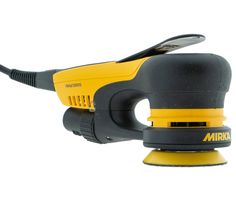
- MIRKA DEROS 650CV: Popular for low vibration, compact design and professional finishing on wood, filler and painted surfaces.
- RUPES Skorpio-E: A strong choice for professional users who want an electric random orbital sander with consistent extraction.
- RUPES LS71TE Delta – Suited to detail work, corners and smaller repair areas where control is important.
- FLEX ORE 5-150: Suitable for larger flat areas, frequent sanding and users who want efficient material removal.
- CROP Turbo+: A practical option for users looking for a reliable sander with dust extraction for workshop and preparation tasks.
Browse our brand ranges for MIRKA sanders, RUPES sanders and FLEX sanders to compare models by application, pad size and power source.
Buy sanders with dust extraction from CROP
Buy sanders with dust extraction from CROP and choose from professional sanding machines, dust extractors, abrasives and accessories for low-dust sanding. At NonPaints.com, you can find machines for DIY use, workshop sanding, automotive preparation and professional finishing.
Whether you are sanding wood, filler, paint, plaster or body panels, the right extraction setup helps you work cleaner and achieve a more consistent result. Need help choosing the right machine, abrasive or dust extractor? Our product specialists can help you select the best setup for your job.