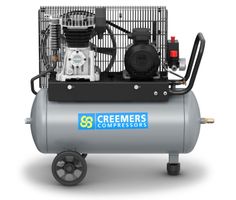
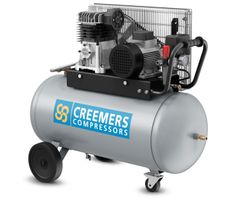
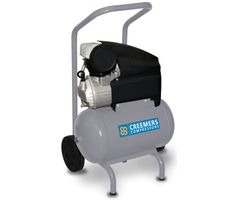
Compressors 10 bar
Compressors 10 bar for professionals
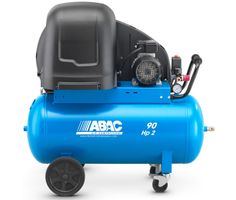
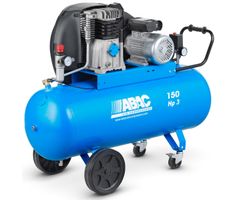
Compressors of 10 bar are powerful air compressors for professional and industrial use. A 10 bar compressor delivers compressed air under high pressure and often has a large tank capacity. This makes this type suitable for intensive work with pneumatic tools.
Place the compressor for professional use stable on a smooth surface. This helps to reduce vibrations and noise. At CROP, you can buy a professional compressor of 10 bar from top brands such as Creemers and Airmec.
Benefits of 10 bar compressors
A 10 bar compressor offers extra pressure capacity for professional air tools. The ample supply of compressed air supports constant operation during activities with a high air demand.
- High working pressure for professional use
- Suitable for powerful pneumatic tools
- Available with different tank capacities
- Choice of mobile and stationary models
- Suitable for workshops and industry
Applications for 10 bar compressors
A compressor of 10 bar is suitable for various professional activities. Think of inflating tires, sanding, polishing, nailing, and working with an impact wrench, jackhammer, or other pneumatic tools.
Which applications fit a compressor is determined by the working pressure and the air consumption of the tool. Therefore, always check the technical specifications of both the compressor and the connected air tools.
Compressor for pneumatic tools
A 10 bar compressor for pneumatic tools delivers the pressure and air output that professional machines require. The required amount of compressed air is expressed in liters per minute.
Compare the air consumption of the tool with the effective air output of the compressor. Choose extra capacity for prolonged use or when you use multiple pneumatic devices consecutively.
Compressor for impact wrench
A compressor for an impact wrench must provide sufficient working pressure and air output. A compressor of 10 bar offers extra pressure capacity for assembly work, tire service, and activities in the garage.
Use a suitable air hose and quick coupling to support the airflow to the impact wrench. Adjust the set working pressure according to the specifications of the tool.
Compressor for pneumatic sanding
A pneumatic sander uses continuous compressed air during operation. A 10 bar compressor for sanding must therefore deliver enough liters of air per minute.
A large tank keeps a larger supply of compressed air available. This supports even sanding during professional activities in the workshop or the repair shop.
Difference between 8 and 10 bar
The main difference between a compressor of 8 and 10 bar is the maximum working pressure. A 10 bar compressor offers extra pressure capacity and fits well with tools with a higher air demand.
If the connected tool uses a working pressure of 8 bar, then a compressor of 10 bar provides extra capacity. A pressure reducer helps you adjust the outgoing pressure appropriately.
Choosing the right 10 bar compressor
When choosing a 10 bar compressor, pay attention to the effective air output, tank capacity, and power connection. Also consider the duration of use, mobility, and available space at the workplace.
A compact design fits short activities and flexible use. For intensive applications, a larger model with a large tank offers more available compressed air.
Tank capacity of 10 bar compressors
The tank capacity determines how much compressed air the compressor can store. A larger tank keeps more air available for tools with a high compressed air demand.
Choose the tank capacity based on the tool and the duration of use. A 50-liter compressor is a versatile choice, while a larger tank fits prolonged and industrial activities.
Compressor 50 liters 10 bar
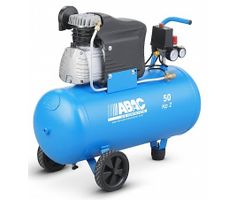
A compressor of 50 liters and 10 bar is a commonly used air compressor for professional and industrial applications. The combination of a working pressure of 10 bar and a tank capacity of 50 liters makes this compressor suitable for powerful pneumatic tools.
The tank stores 50 liters of compressed air and delivers it to the connected air tools. CROP advises using a quality air hose and an oil and water separator. This way, you connect the compressor appropriately to your pneumatic tools.
Mobile compressor 10 bar
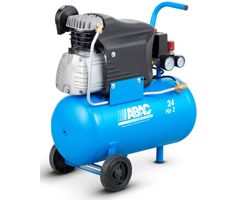
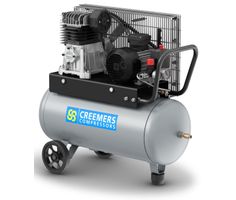
A mobile compressor of 10 bar is mounted on wheels and can be easily driven to another workplace. This version fits well in garages, workshops, service vehicles, and on job sites.
When choosing, pay attention to the weight, wheel size, and position of the handle. A balanced construction makes moving the compressor comfortable.
Stationary compressor 10 bar
A stationary compressor of 10 bar is placed permanently in the workshop or industrial environment. This type of compressor is suitable for a fixed compressed air pipeline network and intensive use.
A stationary model can be combined with a large tank, oil-water separator, or freeze dryer. This way, you build a compressed air system that fits the desired application.
Oil-free compressor 10 bar
An oil-free compressor of 10 bar delivers compressed air that is free of oil. This makes the compressor suitable for activities where clean compressed air is important, such as spray painting and other sensitive applications.
The oil-free technology is low maintenance. Place a suitable water separator to filter moisture from the compressed air.
Oil-lubricated compressor 10 bar
An oil-lubricated compressor of 10 bar is suitable for powerful air tools and intensive professional activities. The oil provides lubrication for the moving parts.
Regularly check the oil level and use compressor oil according to the manufacturer's instructions. This supports reliable operation and long lifespan.
Quiet compressor 10 bar
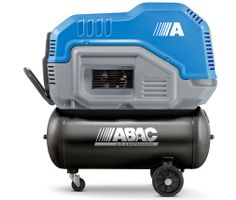
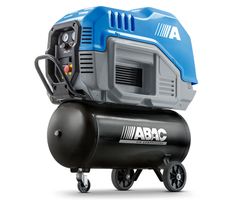
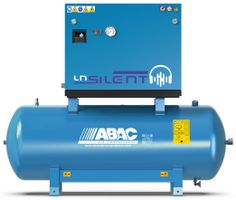
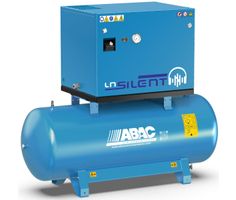
A quiet compressor of 10 bar combines powerful compressed air with a low-noise operation. This air compressor produces a maximum of 70 dB(A). This makes the device suitable for workspaces where multiple people are active and a pleasant noise level is desired.
The noise-dampening construction limits the produced noise and supports comfortable working. Use ear muffs or earplugs when working close to the compressor for extended periods. This gives your hearing extra protection during professional activities.
Connecting a 10 bar compressor
To connect a 10 bar compressor, use a suitable air hose and appropriate quick couplings. Check if all parts are suitable for the maximum working pressure of the compressor.
With a pressure reducer, you adjust the outgoing pressure to the connected pneumatic tools. An oil and water separator helps to filter the compressed air before it reaches the tools.
Maintaining a 10 bar compressor
Regular maintenance keeps a 10 bar compressor in good condition. Check the air filters, connections, air hoses, and condensate drain. Drain the collected condensate according to the manual from the compressed air tank.
Also regularly check the oil level in an oil-lubricated version. Always follow the maintenance schedule and safety instructions from the manufacturer.
Buying a 10 bar compressor
Buying a compressor of 10 bar for professional or industrial use? CROP is happy to help you compare working pressure, air output, tank capacity, and design.
Our product specialists advise you in finding a 10 bar compressor that fits your pneumatic tools and activities.