Rust Converters
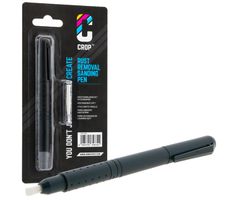


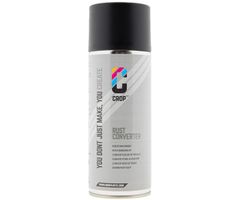


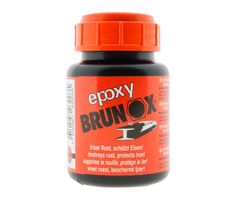
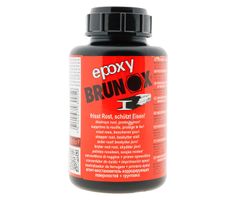
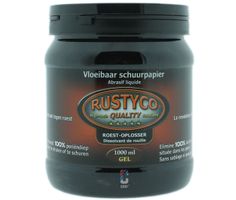
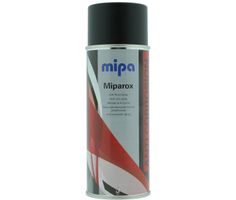


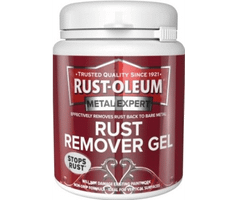
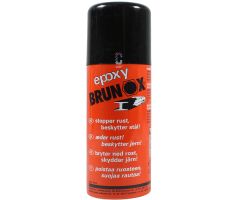
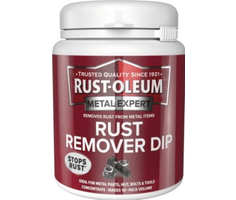
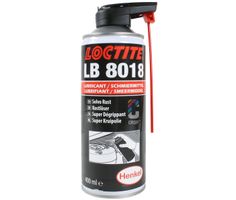
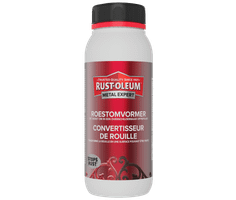
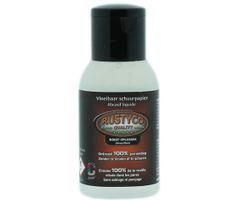
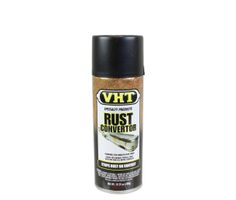
Rust Converter
A Rust Converter is a chemical treatment that reacts with rust on iron and steel, turning it into a stable black protective layer that can usually be painted over once cured.
Rust converter is useful for automotive restoration, chassis work, trailers, tools, gates and railings where removing every trace of rust is difficult. Unlike a rust remover, it stabilises existing rust rather than stripping it completely from the metal surface.
- Suitable for iron and steel: Designed for rusted ferrous metals.
- Creates a paintable surface: Many formulas can be overcoated once fully cured.
- Available as spray or liquid: Choose spray for awkward areas or liquid for brushing larger sections.
- Useful where full rust removal is impractical: Ideal for chassis parts, underbody steelwork and restoration jobs.
Complete your repair with rust remover, rust converter spray and anti-rust paint.
What Is a Rust Converter?
A Rust Converter is a chemical treatment for rusted iron and steel. It reacts with iron oxide and converts the rust into a stable black protective layer.
This treated layer helps slow further corrosion and often leaves a paintable surface for primer, chassis paint or topcoat. Rust converter is mainly intended for ferrous metals such as iron and steel, not aluminium, copper or other non-ferrous metals.
When Should You Use a Rust Converter?
Use a rust converter when the surface is rusted but still structurally suitable for repair. It is especially useful where sanding or blasting fully back to bare metal is difficult.
- Surface rust: Light to moderate rust on steel parts.
- Medium rust: Areas with visible corrosion after loose rust has been removed.
- Rusted chassis parts: Useful for older vehicles and restoration projects.
- Underbody steelwork: Suitable for areas exposed to road grime and winter salt.
- Tools, trailers, gates and railings: Practical for outdoor steel items.
Common UK use cases include MOT preparation on older vehicles, classic car restoration and coastal corrosion on exposed steel. Rust converter can be used on older Volkswagen, BMW, Audi, Mercedes-Benz, Toyota and Land Rover steel components when the surface is prepared correctly.
For related protection products, browse underbody coating, metal paint and anti-rust spray paint.
When Should You Not Use a Rust Converter?
Rust converter works best on rusted iron and steel after basic surface preparation. It is not the right solution for every surface.
- Clean bare metal: Use a suitable primer instead.
- Painted or coated surfaces without preparation: The converter needs contact with rusted metal.
- Aluminium: Rust converter is not designed for aluminium corrosion.
- Copper and other non-ferrous metals: These do not contain iron oxide.
- Greasy or dirty surfaces: Oil, dirt and loose contamination must be removed first.
Loose flaky rust and scale should be removed mechanically before treatment using a wire brush, abrasive pad or sanding tool. Degreasing the surface first also helps the product work more effectively.
Prepare the surface with degreasers, sanding accessories and wire brushes.
Rust Converter vs Rust Remover
A rust converter stabilises existing rust, while a rust remover removes rust from the metal surface.
| Product | Function | Best used for | Finish after treatment |
|---|---|---|---|
| Rust Converter | Reacts with rust and converts it into a stable layer. | Rusted steel parts that are difficult to strip fully back to bare metal. | Usually leaves a dark, paintable surface once cured. |
| Rust Remover | Removes rust from the metal surface. | Parts where you want clean metal before refinishing or restoration. | Leaves the surface ready for further preparation and protection. |
Choose a converter when the part cannot easily be stripped back to bare metal. Choose a rust remover when you want to remove corrosion completely before refinishing.
How to Apply Rust Converter
- Remove loose rust and scale with a wire brush, abrasive pad or sanding tool.
- Degrease the surface to remove oil, grease, dirt and contamination.
- Apply the rust converter evenly by spray, brush or according to the product instructions.
- Allow the product to react until the surface usually turns black or dark.
- Allow it to cure fully before sanding, priming or painting if required.
Touch dry and fully cured are not the same. Touch dry means the surface can be lightly handled, while fully cured means the chemical reaction and drying process have completed. Always follow the manufacturer’s instructions for exact drying and curing times.
Wear suitable gloves and eye protection during preparation and application. For finishing, use compatible primers, metal paints and degreasers.
Can You Paint Over Rust Converter?
Yes, in most cases you can paint over a fully cured rust converter. Many formulas leave a stable paintable surface once the reaction and curing process are complete.
Overcoating should only be done after full cure and according to the technical data sheet. Compatibility with primer, chassis paint, anti-rust paint or topcoat should always be checked at product level.
Use this guidance as category-level advice and always follow the individual product instructions before painting. View our primers, chassis paint and anti-rust paint for the next step.
Which Rust Converter Is Best for Your Job?
Best for cars and restoration work
For automotive restoration, choose a rust converter suitable for iron and steel body or structural components. Look at the application method, drying time, overcoating guidance and whether the product is suitable for the area you are treating.
Best for chassis and underbody parts
For chassis and underbody steelwork, choose a formula that can be overcoated with compatible chassis paint or underbody protection. These areas are exposed to water, road salt and grime, so correct surface preparation and topcoating are important.
Best for tools, trailers and railings
For tools, trailers, gates and railings, a brush-on liquid rust converter can be practical on larger flat sections. It gives good control and helps treat rusted steel before applying metal paint or protective coating.
Spray vs liquid rust converter
A spray rust converter is useful for awkward shapes, edges and hard-to-reach areas. A liquid or brush-on rust converter is often better for larger sections, flat surfaces and jobs where more controlled application is needed.
When comparing products, check the suitable substrates, application method, drying time, curing time and overcoating instructions.
Rust Converter Brands at NonPaints.com
At NonPaints.com, you can choose from rust treatment products for automotive, workshop and restoration use. Products such as VHT Rust Convertor, BRUNOX Epoxy Spray and Loctite rust treatment solutions are available for different repair and protection tasks.
Use brand and product details to choose the right formula for your job, surface and finishing system. For best results, always follow the product label, technical data sheet and safety guidance.
Buy Rust Converter from CROP
Buy Rust Converter from CROP and choose from spray and liquid formulas for cars, chassis parts, trailers, tools and steel surfaces. At NonPaints.com, you can also find degreasers, abrasives, primers, chassis paint and anti-rust coatings for a complete rust repair system.
Need help choosing between rust converter, rust remover or anti-rust paint? Our product specialists can help you select the right treatment for your surface, level of corrosion and finishing requirements.