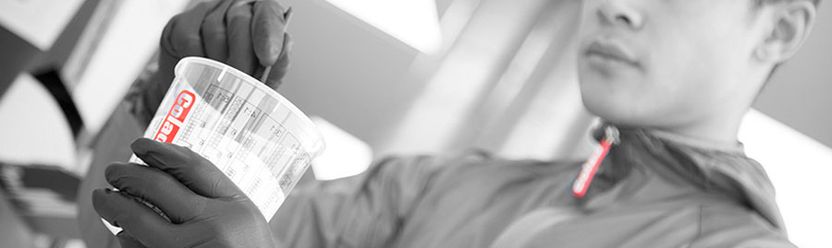
How to Mix Car Paint: Ratios & Tips

A good mixing ratio of car paint is essential for achieving a perfect finish. By correctly mixing the paint with the right component, you’ll get a professional result without issues. In this blog article, we explain exactly what a car paint mixing ratio is, how to apply it, and we give you useful tips for easily mixing car paint according to the correct ratio. This way, you can be sure your project will succeed!
What does mixing ratio actually mean?
The mixing ratio indicates how many parts of two or more components you need to combine. With car paint, it often involves a paint component and a second component, such as a hardener, thinner, or water, depending on the type of paint used.
The ratio is always based on volume, not weight. This means you measure in liters or milliliters, not in grams.
Why mixing ratios are important
Every car paint has its own mixing ratio. Correctly following this is essential to guarantee the processing properties, quality, drying time, and coverage of the paint.
An incorrect mixing ratio can cause the paint to not cure properly, become too thin, or cover unevenly. That’s why it’s important to always check the recommended ratio on the product label or in the product description at CROP.
How does a mixing ratio work in practice?
Mixing ratios are indicated as, for example, 1:4, 1:2, or even 1:10. You pronounce this as "1 to 4" or "1 to 2". This means that, for example, you add 1 part hardener to 4 parts paint.
How much is a 1:4 mixing ratio?
With a 1:4 mixing ratio, you add one part of the second component to four parts paint.
Examples of a 1:4 mixing ratio:
- 500ml paint → 125ml hardener
- 1 liter paint → 250ml hardener
- 4 liters paint → 1 liter hardener
How much you need to add by volume depends on the amount of paint you use.
Which products make mixing easier?
To mix paint correctly, it’s handy to use specific paint supplies. These ensure you can work quickly and accurately, without having to calculate yourself.
Recommended products for mixing paint:
- Mixing cups with mixing ratio: The ratios are already indicated on the cup, so you can immediately see how much to add.
- Stir sticks or stirring paddles: For thoroughly mixing the components.
- Lids for mixing cups: To temporarily close the mixture or keep it dust-free.
- Paint cups for spray guns: Also with mixing ratio, perfect for use in the spray booth.


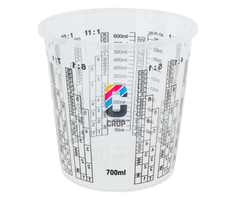


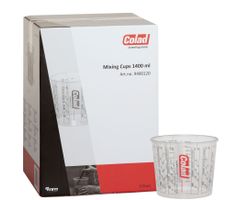
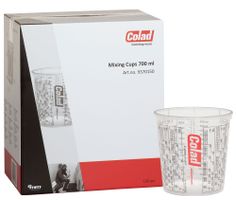


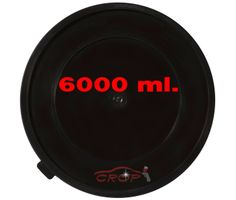
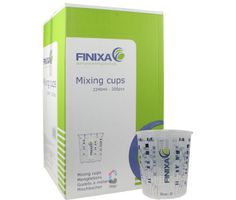
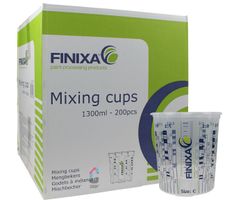
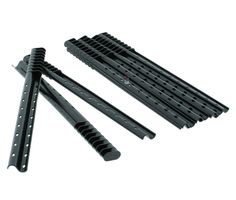
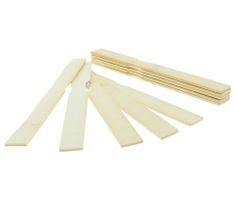
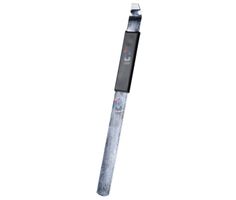
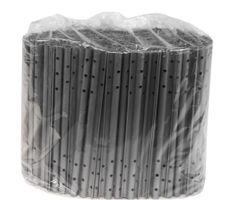
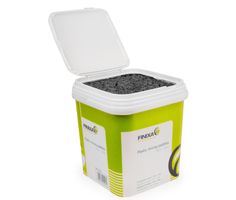
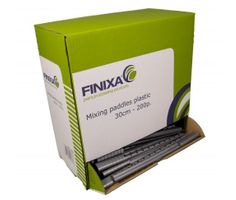

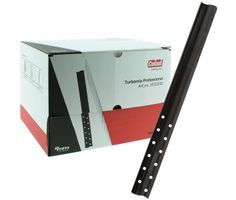
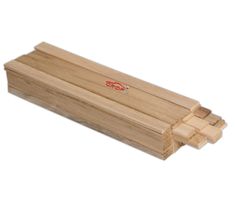
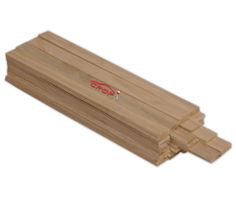
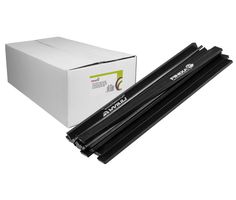
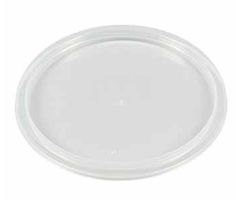
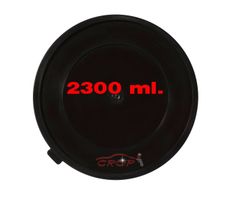
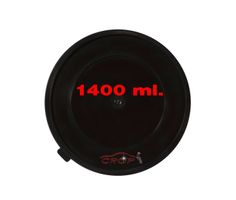

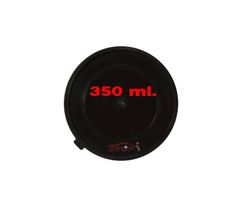

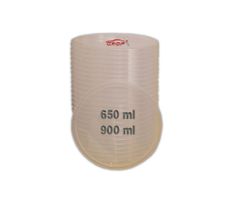
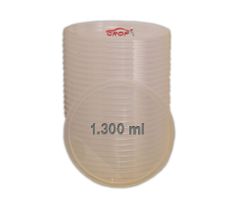
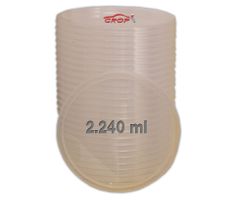
At CROP, we offer a wide range of mixing cups with ratios specifically designed for car paint and other coatings. This way you work faster, more accurately, and without hassle.
How to read a mixing ratio on a mixing cup?
A paint cup with mixing ratios is your best friend when mixing car paint. First, pour the desired amount of paint into the cup and then simply read on the scale how much hardener or thinner you need to add.
No calculator needed, just a good mixing cup.
Useful tip: always check the label
The exact mixing ratio can vary per product. Some paints require a 2:1 ratio, others 4:1 or 1:10. Always check the label on the packaging or the information on NonPaints.com before you start mixing.
Summary: how to perfectly mix car paint
- Mixing ratio = ratio between paint and second component
- Always measure by volume, not by weight
- Mixing ratio 1:4 = 1 part hardener to 4 parts paint
- Use mixing cups with scale for convenience and precision
- Always check the correct ratio on the label
Looking for the right mixing cups or hardeners?
Check out the complete range at CROP on NonPaints.com and easily order online at NonPaints.com
Do you have questions about the correct mixing ratio for your paint? Feel free to contact our paint experts, we’re happy to help!