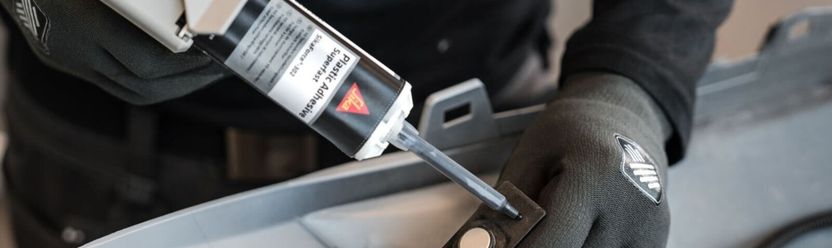
How to Glue Polyester: Strong & Lasting Bond Tips

Gluing polyester may seem simple, but it requires the right approach and proper products. You glue polyester when repairing a plastic part, working on creative polyester art, and so on. Whatever you're doing, a strong and durable bond is essential. In this blog article, you'll learn step by step how to glue polyester properly, which products to use, and what to pay attention to for the best results.
Choose a suitable adhesive for polyester
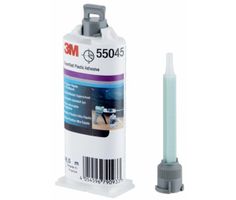
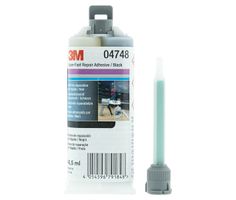
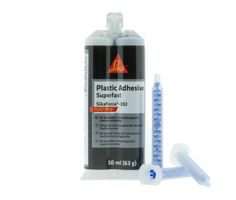
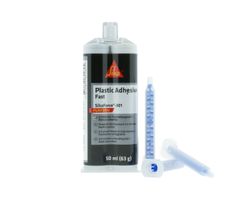
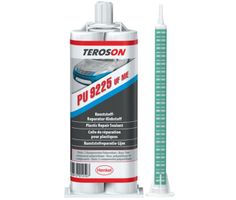
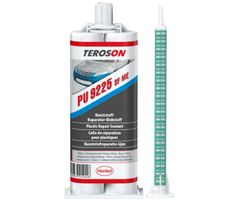
To glue polyester, use a plastic adhesive specifically developed for use on plastics. Not all adhesives are suitable: polyester is a specific type of plastic that bonds well only with a 2-component epoxy or PU-based adhesive. These professional adhesives create a strong, long-lasting bond without shrinkage after curing.
When choosing your adhesive, consider the following features:
- Strong adhesion to various types of plastics
- Shrink-free finish after drying
- Available in cartridges or tubes for use with a glue gun
- Suitable for indoor and outdoor use
Step 1: Thoroughly clean the surface
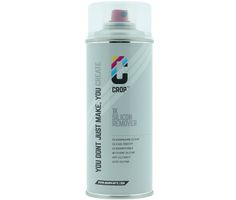
Good preparation is crucial. Always start by degreasing the polyester surface. Use a professional degreaser and a clean, lint-free cloth. Remove all traces of grease, dust, dirt, and silicone. A clean surface ensures optimal adhesion of the glue.

Step 2: Lightly sand the surface
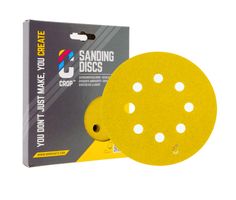
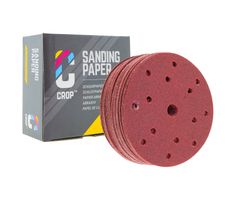
After cleaning, it’s important to lightly sand the surface. Use a fine grit, such as grit 240 or sandpaper grit 320. This will roughen the surface slightly and promote good adhesion—crucial for a strong bond. Clean the surface again afterward to remove dust.
Step 3: Apply a plastic primer (optional)
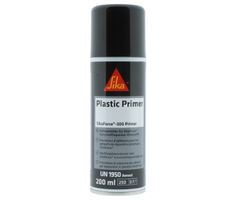
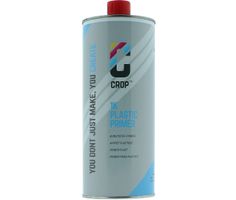
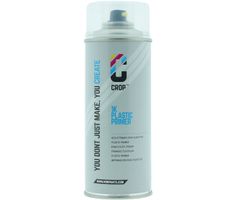
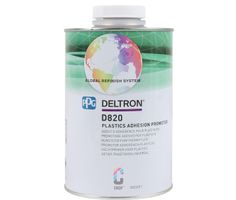
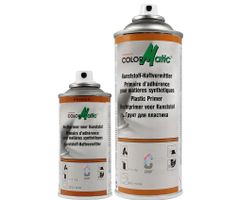
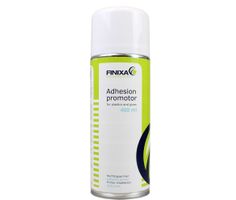
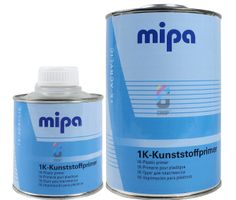
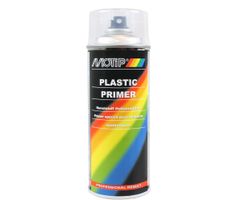
For added adhesion, consider using a clear plastic primer. This adhesion promoter improves the bond between the glue and the polyester, especially on smooth or hard-to-bond plastics. Spray a thin layer onto the surface and allow it to dry fully before proceeding. The clear composition keeps the original color of the surface visible.
Step 4: Apply the polyester glue evenly
Now it's time to apply the polyester glue. Do this in a uniform layer on both the part to be glued and the substrate. Use a caulking gun or glue gun if using a cartridge or tube. Make sure the adhesive is well distributed to ensure balanced force distribution.

Step 5: Firmly press the parts together
Once the glue has been applied, press the two parts firmly together. Apply enough pressure to ensure that the glue spreads evenly across the entire surface. If possible, clamp the parts temporarily for added security during curing.
Step 6: Allow the glue to fully cure
Always follow the specified drying time of the adhesive. This varies depending on the type of glue and environmental factors like temperature and humidity. Let the bond dry undisturbed until fully cured to ensure a long-lasting and strong hold.
Tip: Use a primer for maximum adhesion
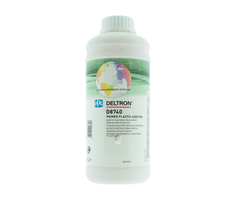
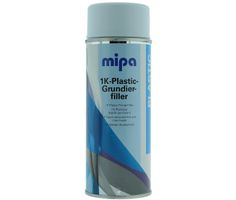
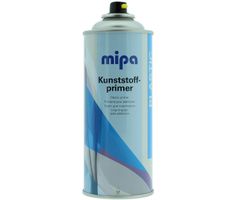
Want to ensure the best possible adhesion? Always use a plastic primer beforehand. This primer improves the bond of glue to polyester and other plastics. Light sanding after applying the primer enhances its effect. A quality primer prevents detachment and ensures a long-lasting result.


Glue polyester with confidence
With the right preparation, products, and the step-by-step guide above, gluing polyester becomes a reliable and durable solution. As a specialist, you can choose from a wide range of professional polyester adhesives and primers at CROP. Order directly from NonPaints.com for your project needs.