How to Paint Metal with Hammerite: Step-by-Step Guide

Want to paint metal yourself using Hammerite? From a garden gate, garage door, or garden furniture to other metal surfaces you’d like to repaint using Hammerite paint. This special metal paint is suitable for nearly all metals and can even be applied directly over rust, without the need for a primer or undercoat.
In this blog article, you’ll find a step-by-step guide explaining which materials you need and how to paint metal with Hammerite paint. Follow the instructions below for a long-lasting and smooth result.
Step 1: Choose the right Hammerite metal paint
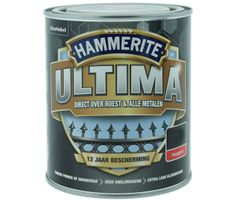
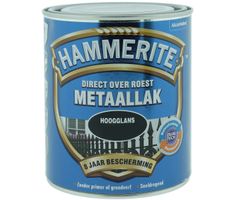
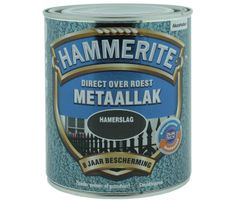
To paint metal, use Hammerite metal paint. This paint is specially formulated for steel and iron, offering durable protection against rust, UV radiation, moisture, and scratches. You can choose from finishes like matt, gloss, or satin.
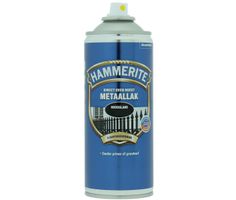
Hammerite is available in two types:
- Hammerite paint in a can: Ideal for application with a brush or roller.
- Hammerite spray paint: Suitable for spraying and reaching hard-to-access areas.
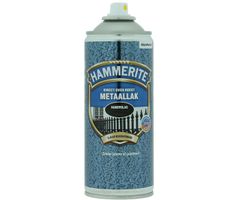
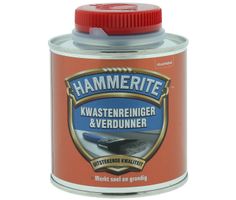
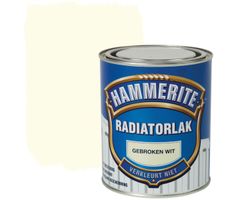


Step 2: Gather all necessary materials
To ensure the paint job goes smoothly, we recommend preparing the following materials:
- Hammerite metal paint (can or spray)
- Metal degreaser
- Metal varnish (optional, for extra protection)
- Wire brush or sandpaper (P80–P180)
- Paint roller and/or paintbrush
- Protective gloves
- FFP2 or FFP3 dust mask


With these products, you’re well equipped to paint metal like a pro.
Step 3: Clean the surface thoroughly
A clean surface is crucial for a good end result. Use a metal degreaser to clean the surface. Remove any dirt, dust, grease, and other contaminants. This ensures better paint adhesion and prevents imperfections.
Let the surface dry completely before moving on to the next step.
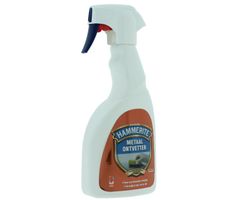
Step 4: Remove rust and loose paint
Although Hammerite can be applied over rust, it's recommended to remove as much of it as possible. Use a wire brush or sandpaper. This improves the durability of the paint layer.
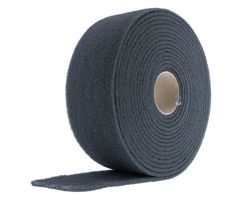
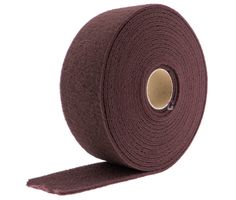
Dealing with old, peeling paint? Sand it down with sandpaper or sanding fleece until the surface is smooth.



Step 5: Degrease the surface again
After sanding, fine dust may remain on the surface. Clean the metal again with a degreaser to ensure no residue is left that could affect adhesion.
A second cleaning step helps achieve the best possible result.
Step 6: Shake or stir the paint well
Before applying the paint, it's important to mix it properly. Shake the spray can vigorously for at least two minutes or stir the paint in the can thoroughly with a stir stick. This prevents color differences or uneven coverage.
Step 7: Apply Hammerite in multiple layers
Apply Hammerite in 2 to 3 layers, depending on the desired result and surface. Make sure each layer is applied evenly. Allow the paint to dry thoroughly between coats, following the instructions on the packaging.
Using a spray can? Keep a distance of around 20–30 cm and work in steady strokes for an even finish.
Step 8: Let the paint cure properly
After the final coat, it’s important to allow the paint to dry and cure fully. This usually takes several hours, but full curing can take up to 24 hours. Avoid touching or using the surface during this time.
Step 9: Optional – Protect the metal with a varnish
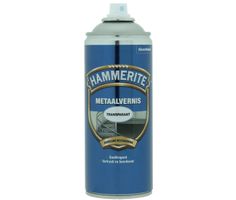
Want extra protection and longer durability of the painted surface? Apply a layer of metal varnish. This protects against scratches, discoloration, and harsh weather conditions. Highly recommended for outdoor use.
Step 10: Store leftover paint at room temperature
Done painting? Seal the can or spray can tightly and store it at room temperature in a dry space. This keeps the paint usable for future projects.
Extra tips for painting metal
- Work at a temperature between 10 and 25°C for optimal drying and adhesion.
- Ensure the surface is dry and dust-free before applying each new coat.
- Even though Hammerite can go over rust, thorough cleaning remains key to success.
- Always wear protective gloves and a suitable mask, especially when using spray cans.
- Allow enough drying time between coats for a smooth and long-lasting finish.