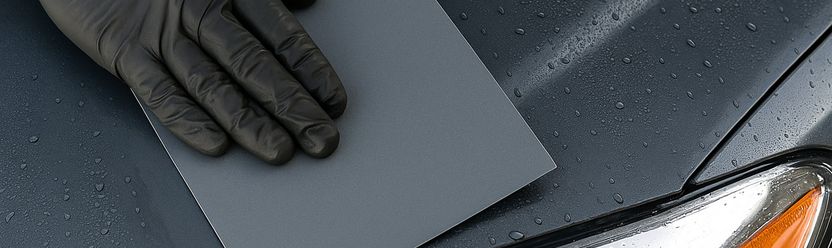
Wet Sanding Guide: How to Use Waterproof Sandpaper

Wet sanding with waterproof sandpaper from CROP Wet sanding, also known as wetsanding, is a technique where water and special waterproof sandpaper are used to make surfaces extremely smooth and even. This method is widely used in the automotive industry, paint preparation, and polishing of paint or lacquer. In this blog, we explain what wet sanding is, why to do it, which products you need, and how to approach it effectively.
What is wet sanding and why use it?
Wet sanding is a technique where you use water as a lubricant during sanding. By sanding with water, particles do not get trapped between the sandpaper and the surface. This ensures a smoother result and prevents deep scratches. You use waterproof sandpaper because it is specially designed not to tear when in contact with moisture. It is ideal for refining surfaces, removing dust particles from paint, or eliminating orange peel in car paint.
The benefits of wet sanding
- Less dust due to water use
- Smooth and even final result
- Reduced risk of deep scratches
- Extended sandpaper life
- Efficient and safe for paint and coatings
Different methods of wet sanding
There are several ways to apply wet sanding, depending on the task and your preference:
- Hand wet sanding
Use a sanding block with waterproof sandpaper or fold the paper around a pad. Regularly dip the sandpaper in a bucket of water, optionally with a little soap. This helps it glide smoothly across the surface. - Wet sanding with a machine
Use an orbital sander with waterproof sandpaper mounted on a backing pad. Use low speed and keep the surface wet with a spray bottle or sponge. Not all machines are suitable for wet use—always check this first. In both cases, always use fine waterproof sandpaper, such as grit 1000, 2000, or 3000 waterproof sandpaper for a flawless finish.
Wet sanding: step-by-step guide
Want to get the best result with wet sanding? Follow this structured approach for a smooth, scratch-free surface using water:
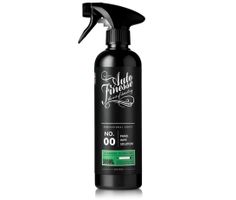
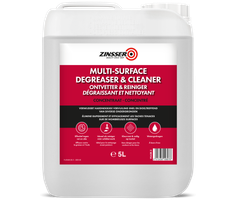
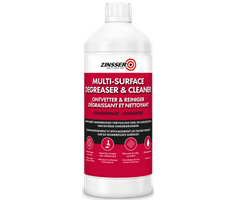
Step 1: Thoroughly clean the surface
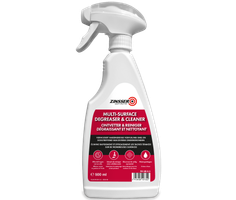
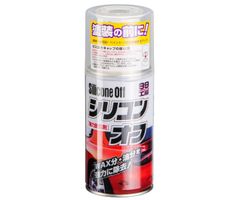
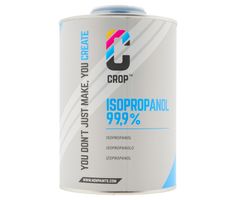
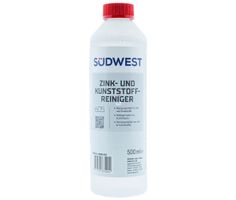
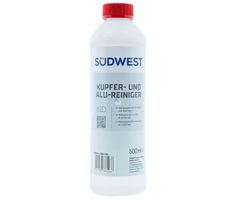
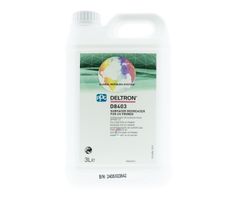
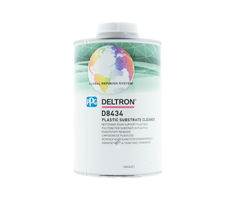
Use a degreaser to fully remove dirt, silicone, and dust. This prevents scratches while sanding.


Step 2: Fill a bucket with clean water
Add a few drops of car shampoo if desired. This improves lubrication and prevents sanding residue from sticking.


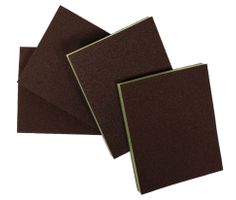
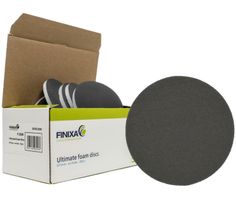
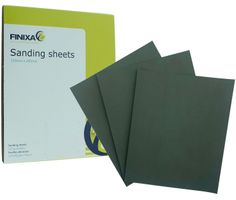
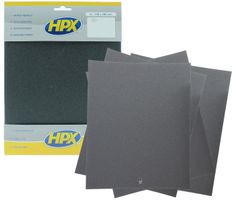
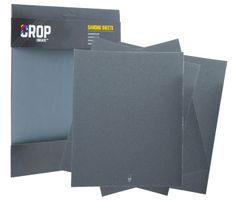
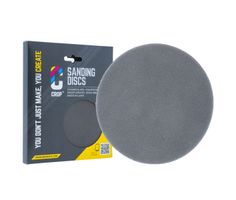
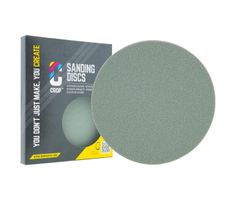
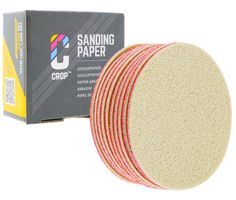
Step 3: Choose fine waterproof sandpaper
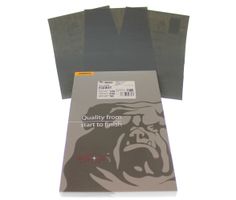
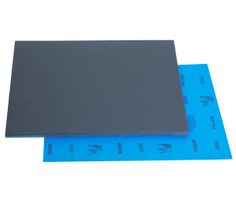
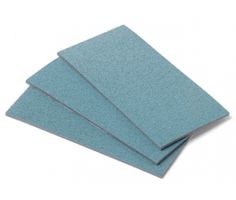
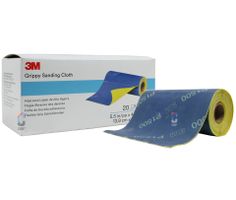
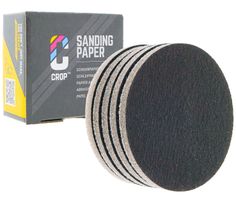
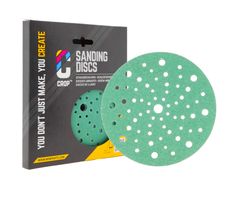
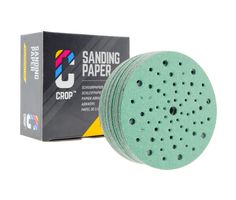
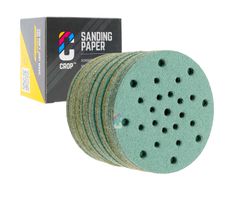
Always use waterproof sandpaper, preferably in fine grits (P1000 to 3000) depending on your application.








Step 4: Soak the sandpaper beforehand
Let the sandpaper soak for a few minutes. This prevents curling and makes it more flexible during sanding.
Step 5: Sand with light, even pressure
Use a sanding block or sponge as support. Use overlapping crosshatch motions for an even result.
Step 6: Keep the surface constantly wet
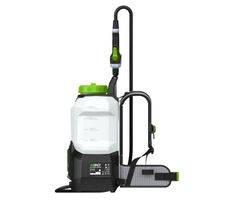
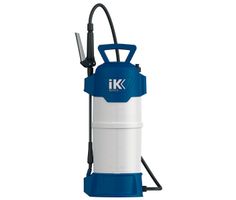
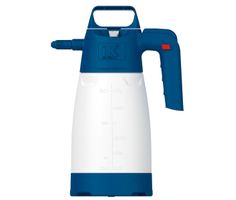
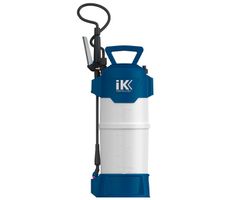
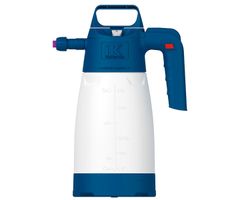
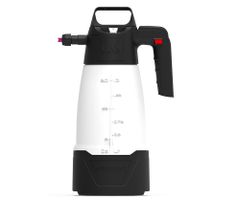
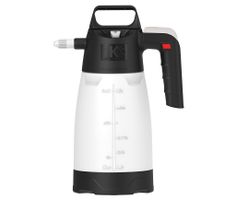
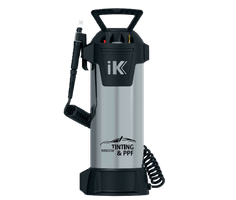
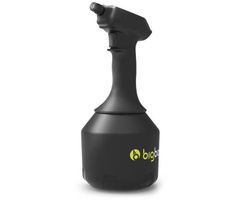
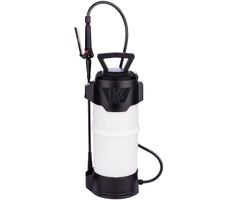
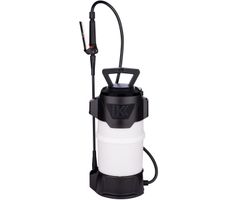
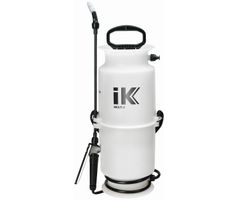
Use a spray bottle to keep the area wet during sanding. This prevents dry spots and damage.
Step 7: Rinse regularly
Rinse both the surface and sandpaper in clean water to remove sanding debris buildup.
Step 8: Dry and inspect the result
Use a clean microfiber cloth to dry the surface and check the result under good lighting. Repeat with a finer grit if necessary.
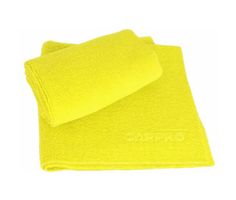
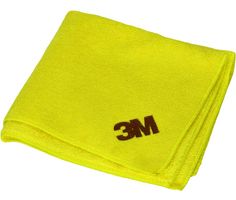

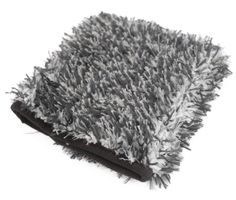


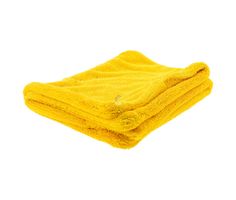


By following this method, you get the most out of your waterproof sandpaper and avoid damage to the paint or surface. It’s essential for precise work like auto repair or paint refinement.
3000 grit waterproof sandpaper for high-gloss finish
3000 grit waterproof sandpaper is the ideal choice for the final sanding stage before polishing. This ultra-fine grit creates a super-smooth surface, which is crucial for a high-gloss result. 3000 grit sandpaper is perfect for removing fine scratches, dust nibs, and orange peel from car paint. It is often used as preparation before compounding or polishing. Thanks to the waterproof backing, it is durable and wear-resistant—even with prolonged wet use.
Which waterproof sandpaper should I choose?
At CROP, you'll find a wide range of waterproof sandpaper from top brands like 3M, CROP, MIRKA, FINIXA, and COLAD. Want to buy waterproof sandpaper? Check out all materials for professional wet sanding now at NonPaints.com. Questions? Contact our product specialists — we’re happy to help with your car paint or finish sanding!