
Which paint strainer to use? Full guide

A paint strainer is essential for a smooth and clean spray result. By filtering paint or lacquer before use, you remove dust particles, lumps, and impurities. This prevents imperfections and saves time on rework such as sanding or polishing.
In this blog article, you'll learn exactly which paint strainer you need for primer, car paint, clear coat or metallic paint and how to choose the correct micron rating.
Why straining paint is always a smart move
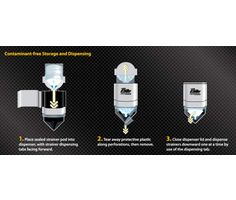
By straining paint or lacquer in advance, you ensure a spotless final result. Even in a clean environment, small contaminants can get into the paint while mixing or pouring. A paint strainer removes these before the paint enters the spray gun.
Micron rating determines the strainer’s fineness
A paint strainer contains a mesh element available in different micron ratings. The lower the micron number, the finer the filter. This determines whether it's suitable for thin or thick paints.
- 125 micron: very fine filtration
- 190 micron: standard for clear and metallic paints
- 280+ micron: suitable for thick paints like primers
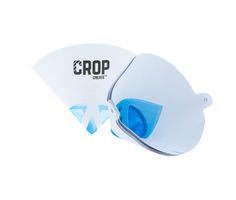

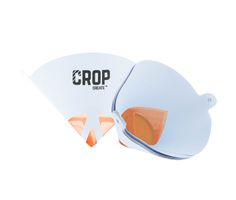
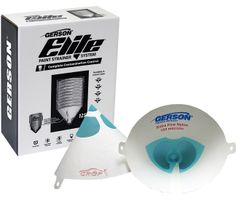
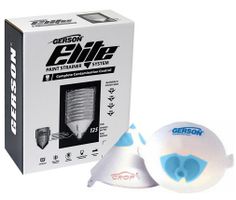


Strain base and metallic paints with care
For straining basecoats using water- or thinner-based paint, a 125 or 190 micron strainer is usually used.
- 125 micron: removes even the smallest dust particles, but may filter out metallic flakes.
- 190 micron: ideal for metallic paints to preserve shine and metallic effects.
Note: Always use a 190 micron strainer for metallic paints to avoid losing metallic pigments.
Clear coat demands perfect clarity
Clear coat must be perfectly transparent, as it acts as the gloss layer over the basecoat. Additionally, clear coats are usually 2-component systems, making them slightly thicker.
Use a 190 micron strainer for clear coat to ensure proper flow and optimal purity.
Use a coarser strainer for primers and fillers
Primers, fillers, and undercoats are significantly thicker than regular paints. To strain them effectively, a strainer with a higher flow capacity is required.
Choose a 280 micron strainer for these thicker coatings to ensure good filtration without clogging.
This also applies to UV primers and heavier ground layers: it’s better to use a coarse strainer than one that’s too fine, which can slow down the filtering process.
Special paint strainers for top-mounted cups
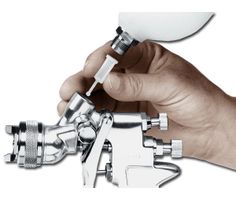
In addition to paper strainers, there are plastic paint strainers designed to fit directly into the top-mounted cup of a spray gun.
These typically have a 290 micron filter element and provide one last filtration just before spraying.
Thanks to their universal fit, they are compatible with nearly all top-mounted cups.
Tip: Use this type of strainer as an extra safety step with all types of paint.
Summary: how to choose the right paint strainer
| Paint type | Recommended micron |
|---|---|
| Basecoat (non-metallic) | 125 micron |
| Metallic paint | 190 micron |
| Clear coat (2K) | 190 micron |
| Primers and fillers | 280 micron |
| Top cup strainer (all paints) | 290 micron |