Car Paint Polishing: How to Do It Yourself

Do you notice the shine on your car has disappeared, fine scratches or dull spots in the paint? Then it’s time to polish the car paint! Good news: you don’t have to be a professional or have a lot of experience to restore your car paint to like-new condition. With the right car detailing products, a good polishing machine, and a clear step-by-step plan, you can achieve a result that shines like a brand-new car straight from the showroom!
In this blog article, you’ll learn what you need and how to polish and protect your car’s paint in 5 steps! Whether you’re new to car detailing or already experienced, with this plan you’ll always get the best out of your car paint.
What do you need to polish a car?
Before you start polishing, it’s important to have everything within reach. By having all products ready, you work precisely and efficiently. To help you get started, here’s what you need to polish a car:
- Dual Action Polisher
- Polishing Pads (various hardness levels for different stages)
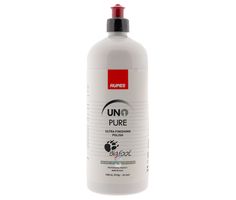
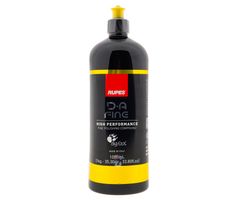
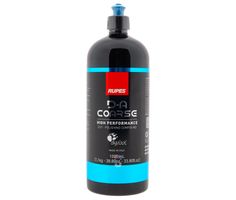
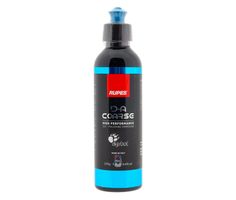
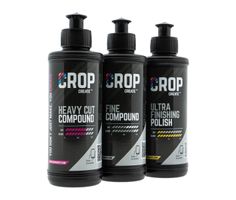
- Polishing Compounds (from coarse to fine, depending on the paint condition)
- Microfiber Cloths (for wiping off and buffing)
- Car Shampoo
- Clay Bar and clay lubricant
- Applicator Pad
- Car Wax, sealant or ceramic coating
Step 1: Thoroughly wash the car
A clean paint surface is essential for a good, scratch-free polishing result. Make sure all surfaces are free of loose dirt. Only then is the paint ready for the next step. So always start with a thorough wash:
- Use a strong car shampoo that removes dirt, insect residues, and grease.
- Rinse the car completely with clean water.
- Dry the car with a microfiber cloth to avoid water spots.


Step 2: Start claying the car
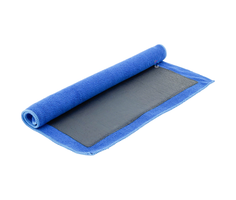
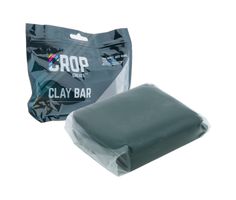
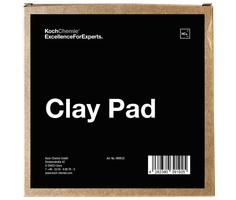
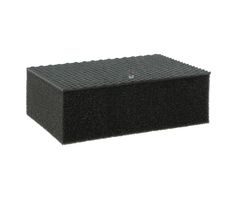
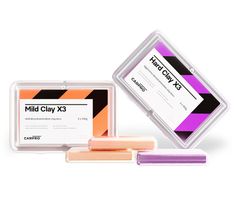
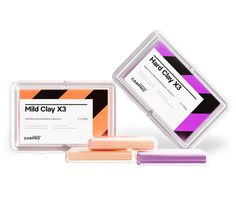
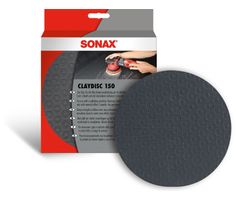
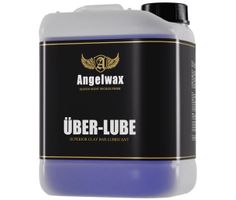
After washing the car, the paint may seem clean, but can you still feel small irregularities with your hand? Then there’s invisible contamination on the paint such as tar, tree resin, or industrial fallout. You remove this using a clay bar and clay lubricant. After claying, the paint feels as smooth as glass — just as it should for a perfect polishing result.
How to clay the car:
- Work panel by panel (for example, first the roof, then the hood, etc.).
- Generously spray the surface with clay lubricant.
- Rub with the clay bar in horizontal and vertical motions over the paint.
- Fold or knead the clay bar regularly to always work with a clean surface.
- Dry each panel with a dry microfiber cloth.


Step 3: Polish the paint with a machine
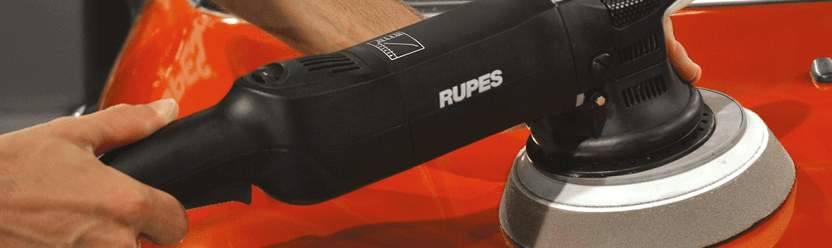
Now the real work begins: machine-polishing the car paint. This is best done with a Dual Action polisher. This type of machine has an eccentric rotating motion, making it safe to use and ideal for both beginners and advanced users. Always work section by section. Only move on to the next section when satisfied with the current one.
Follow this plan for machine polishing:
- Apply 3 dots of polish on the pad, each about the size of a 2-euro coin.
- Spread the polish over the surface using the pad without turning on the machine.
- Set the polisher to the lowest speed and distribute the polish.
- Increase speed to level 3 and start systematic polishing.
- Work in straight lines and ensure each paint area is covered at least five times.
- Always keep the machine moving to avoid damage.
- Wipe the surface with a dry microfiber cloth.
Tip: Not satisfied with the result? Repeat the process or use a coarser polish and a harder pad.
-

 The price depends on the options chosen on the product page
 -
 The price depends on the options chosen on the product page
 -
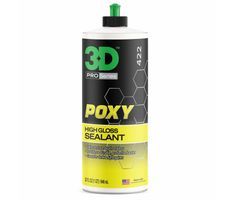
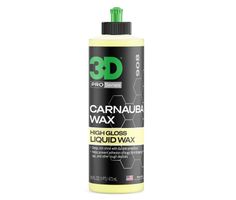
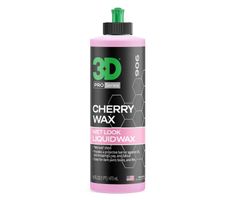
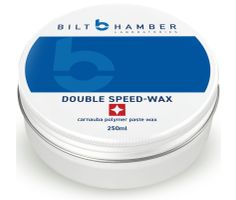
Step 4: Protect the paint with wax or coating
After polishing, the paint looks smooth again but is also vulnerable. You’ve removed a thin layer of clear coat after all. That’s why it’s important to protect the paint with wax, sealant, or coating.
How to apply a wax layer:
- Apply a thin layer of wax with an applicator pad in circular motions.
- Let the wax dry for about 5 minutes.
- Buff with a clean microfiber cloth until the surface shines.
Alternative: Use a ceramic coating for years of protection and deep glass-like shine.
Step 5: Admire the result
Congratulations! You have now completely polished and protected your car’s paint. The paint looks like it just came out of the showroom again: shiny, smooth, and scratch-free.
Want to keep this result as long as possible? Then regular washing with car shampoo and avoiding car washes with hard brushes is a must.
An extra step: Polish glass and headlights too
Did you know you can also polish car windows and headlights? It works similarly to paint, but slightly differently. Read all about it in our next blog article on polishing glass and headlights!