Glass Polish
-
-
-
-
-
-
-
-
-
 As low as €12.- €12.-
 -
-
-
 As low as €22.24 €22.24
 -
 As low as €132.77 €132.77
 -
-
-
-
-
 The price depends on the options chosen on the product page
 -
-
-
-
-
-


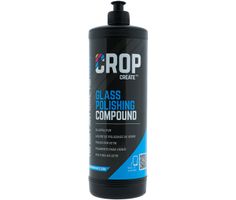

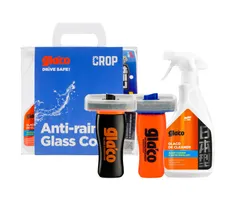

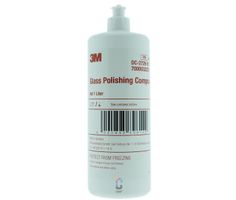
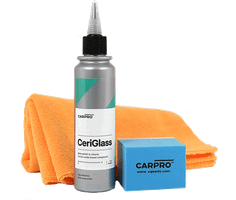

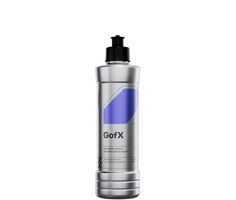
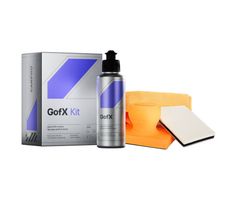
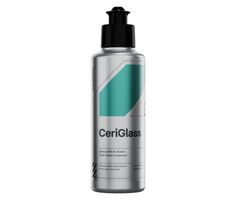
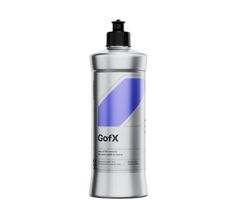


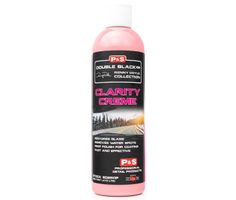

Glass Polish
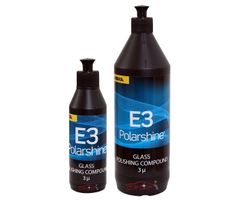
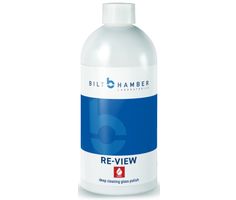
Glass polish is an abrasive polishing compound used to improve optical clarity on automotive glass. It is designed for light scratches, water spots, mineral deposits, haze and wiper marks on windscreens, side windows and mirrors.
Glass polish is suitable for both enthusiasts and trade users who want to restore clearer visibility and improve the appearance of vehicle glass. For effective correction, it is usually used with a felt or rayon polishing pad and a suitable polishing machine.
What is glass polish?
Glass polish is an abrasive product that corrects a microscopically thin layer of glass to level small defects and improve clarity. Many professional glass polishing compounds are based on or compared with cerium oxide, a specialist abrasive commonly used for glass correction.
During polishing, the compound and pad work together through mechanical action. This helps reduce light defects such as wiper haze, fine marks and mineral staining on windscreens, side windows and mirrors.
Unlike glass cleaner, glass polish is designed for correction rather than routine cleaning. A cleaner removes dirt and residue from the surface, while glass polish is used to improve optical clarity by correcting minor surface defects.
What can glass polish remove?
Glass polish can be used to correct a range of light defects on automotive glass and certain other smooth glass surfaces, provided the product specifications allow it.
- Light scratches: Fine marks caused by light contact or poor cleaning technique.
- Water spots: Marks left behind by dried water droplets.
- Hard water staining: Stubborn mineral marks on glass.
- Mineral deposits: Build-up from rainwater, tap water or environmental contamination.
- Wiper marks: Light haze or arcs caused by windscreen wipers.
- Haze: Dullness that can reduce clarity and visibility.
Glass polish is commonly used on commuter cars with windscreen wiper haze and vehicles parked outside that suffer from mineral spotting. It is suitable for modern automotive glass on vehicles such as Volkswagen, BMW, Audi, Mercedes-Benz, Toyota, Jaguar and Land Rover.
Deep scratches, chips and cracks are not always suitable for polishing. If the damage affects safety, visibility or the driver’s line of sight, replacement may be the better option.
Browse our car window polishing and car detailing products for complete glass correction solutions.
What do you need to polish glass?
To polish glass properly, you need the right combination of compound, pad and machine. Glass is harder than paint, so standard paint polishing products are usually not suitable for true glass correction.
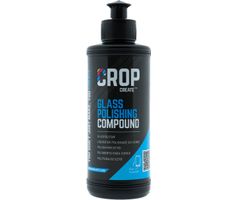
- Glass polishing compound: A specialist abrasive polish designed for glass.
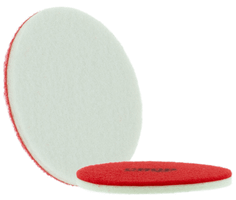
- Felt or rayon polishing pad: Better suited to glass correction than most foam pads.
- Polisher: Usually the most effective option for real correction.
- Microfibre cloth: For removing residue and checking the result.
- Glass cleaner or panel wipe: Optional, for preparing and inspecting the surface.
Foam pads are generally less suitable for serious glass correction than felt or rayon pads. Machine polishing is usually the best choice for removing visible glass defects, while hand polishing is mainly suitable for very light contamination or minimal marks.
If you want a complete starter setup, a kit is often the easiest choice. You can also combine separate products from our polishing pads, polishers, microfibre cloths and polishing compound categories.
How to choose the right glass polish
For light scratches
For light scratches, choose a dedicated glass polishing compound with a felt or rayon pad. Machine polishing usually gives the most consistent correction, especially on windscreens and side windows.
For water spots and mineral deposits
For water spots and mineral deposits, glass polish can help remove stubborn marks that normal glass cleaner leaves behind. For lighter staining, a cleaner or dedicated water spot remover may be enough, but etched mineral marks often require polishing.
For windscreen restoration
For windscreen restoration, choose a glass polish suitable for automotive glass and use it with controlled machine passes. Pay extra attention to heat build-up and optical clarity, especially on the front windscreen.
Kit or separate products?
A glass polishing kit is useful if you want the compound, pad and accessories matched together. Separate products are a better choice if you already own a suitable polisher or want to build a more specific setup for professional use.
Technical points to consider before polishing glass
Glass polishing works through abrasive action. The compound, often based on cerium oxide or similar specialist abrasives, works with the pad to refine the surface and reduce light defects.
Felt and rayon pads are commonly used because they provide the firm contact needed for glass correction. Foam pads are usually better suited to paint polishing and may be less effective on glass.
A rotary polisher can provide strong correction, while a dual action polisher can offer more control for some users. Always follow the product instructions and choose the machine speed carefully.
Heat build-up is one of the main risks when polishing glass. Keep the machine moving constantly and avoid working too long in one spot, as excessive heat can increase the risk of optical distortion or glass damage.
Laminated glass and tempered glass do not always respond in the same way. Product specifications should always guide your choice, especially when working on front windscreens, side windows and mirrors.
Wear suitable gloves and eye protection where needed, especially when machine polishing or working with specialist compounds.
How to polish glass step by step
- Inspect the defect first and decide whether polishing is realistic.
- Clean and dry the glass so the surface is free from dirt, grease and loose contamination.
- Apply glass polish to the pad using a small amount of compound.
- Spread at low speed to distribute the polish evenly over the working area.
- Work in controlled passes using light to moderate pressure, depending on the product instructions.
- Keep the pad moving to avoid heat build-up and reduce the risk of distortion or damage.
- Remove residue with a clean microfibre cloth.
- Inspect the result and repeat if needed, provided the glass remains safe to polish.
For the right setup, browse our polishers and polishing pads.
When should you polish glass and when should you replace it?
Glass polishing is suitable for light scratches, haze, wiper marks, water spots and mineral deposits. These defects often sit on or very close to the surface and can sometimes be improved with the right polish, pad and machine.
Deep scratches, chips, cracks and damage in the driver’s line of sight are not always suitable for polishing. If the defect affects safety, visibility or the structure of the glass, replacement can be the safer choice.
Avoid expecting glass polish to remove every scratch. Choose the polish, pad and machine combination based on the severity of the defect and the type of glass you are working on.
Glass polish vs glass cleaner, toothpaste and WD-40
| Product | What it does | Best used for |
|---|---|---|
| Glass polish | Corrects minor surface defects through abrasive polishing. | Light scratches, wiper marks, haze, water spots and mineral deposits. |
| Glass cleaner | Cleans dirt, grease and residue from the surface. | Routine cleaning and visibility maintenance. |
| Toothpaste | May give minimal cosmetic improvement on very light marks. | Not recommended for consistent professional glass correction. |
| WD-40 | May temporarily change how marks appear. | Does not remove scratches or provide real glass correction. |
For genuine glass correction, a dedicated glass polishing compound is the safer and more consistent choice. It is made for use on glass and is designed to work with the correct polishing pad and machine.
Buy glass polish from CROP
Buy glass polish from CROP and choose from professional products for polishing windscreens, side windows, mirrors and other suitable glass surfaces. At Nonpaints.com, you can find glass polishing compounds, felt pads, polishing machines, microfibre cloths and complete glass polishing kits.
Need help choosing the right glass polish, pad or machine? Our product specialists can help you select the best setup for your glass defect, vehicle and experience level.