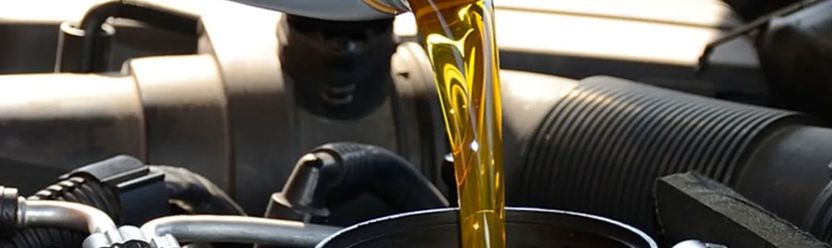
How to Change Engine Oil Yourself

Changing engine oil yourself is a task you can easily do with the right products and some basic knowledge. By changing your engine oil on time, you ensure your car's engine keeps running smoothly, prevent wear, and extend the engine's lifespan. In this blog article, we explain when to change engine oil, how to do it yourself, and provide useful tips about different types of engine oil, such as viscosities, Longlife oil, and well-known brands.
When Changing Engine Oil Is Necessary
Changing engine oil is done based on mileage or the age of the oil. Most cars need new engine oil every 15,000 km. Some models also indicate this automatically via the onboard computer. Do you drive fewer kilometers per year? Then it is recommended to replace the engine oil at least once a year. This prevents the oil from losing its lubricating properties.
Benefits of Timely Oil Changes
Fresh engine oil ensures that the engine block remains well-lubricated, prevents wear on parts, and lowers fuel consumption. Leaving old oil in the engine for too long can cause dirt and soot residues to build up, leading to blockages in the oil filter or oil channels. This can result in high repair costs. By changing oil yourself on time, you keep the engine in top condition.
What You Need to Change Engine Oil
With the right tools, changing engine oil is a simple job. Make sure you have the following on hand:
- Oil collection tray
- Cleaning cloths or paper towels
- New engine oil (check which type is suitable)
- Oil filter (replacement recommended)
- New sealing ring for the drain plug
- Hand tools
- Gloves
- Brake cleaner
- Car jack or lift to raise the car
Step-by-Step Guide: Changing Engine Oil Yourself
Follow the step-by-step guide below carefully to change engine oil safely and efficiently:
- Warm up the engine so the oil becomes more fluid.
- Place the car on a lift or raise it at the front with a jack and secure it properly.
- Open the bonnet and loosen the oil filler cap.
- Place the collection tray under the oil sump.
- Loosen the drain plug (watch out: hot oil).
- Let all the oil drain out.
- Replace the oil filter if necessary.
- Fit a new sealing ring and retighten the drain plug.
- Clean the area around the drain plug with brake cleaner.
- Refill with new engine oil via the filler cap (check the manual for the exact amount).
- Check the oil level with the dipstick or digitally.
- Reset the service indicator if necessary.
- Clean up any spilled oil and close the bonnet.
Engine Oil in Different Viscosities
The viscosity of engine oil indicates how fluid the oil is at both cold and warm temperatures. This is important for engine starting performance and lubrication at high temperatures. Below we explain the most common viscosities:
- 0w20 oil: Very thin oil, ideal for modern engines with low internal resistance and cold climates.
- 0w30 oil: For efficient cold starts and good protection at higher temperatures.
- 5w30 oil: Common all-round oil for modern petrol and diesel engines.
- 5w40 oil: Suitable for sporty driving style and higher engine loads.
- 10w40 oil: Slightly thicker oil, popular for older engines and higher temperatures.
- 10w60 oil: Specially for engines under heavy load, such as in sports cars.
The first value (e.g., 0W) indicates viscosity during cold starts. The second value (e.g., 30, 40, or 60) indicates performance at operating temperature.
What Is Longlife Oil?
Longlife oil is specially developed for cars with long service intervals. Unlike standard oil, it only needs to be replaced after 30,000 to 50,000 kilometres, depending on the manufacturer. Longlife oil contains advanced additives that prevent contamination and improve performance under heavy conditions.
Note: only use Longlife oil if explicitly prescribed by your car’s manufacturer.
Well-Known Engine Oil Brands
When choosing engine oil, it’s wise to opt for a quality brand that suits your car and driving style. As a specialist, at CROP you will find these top brands among others: