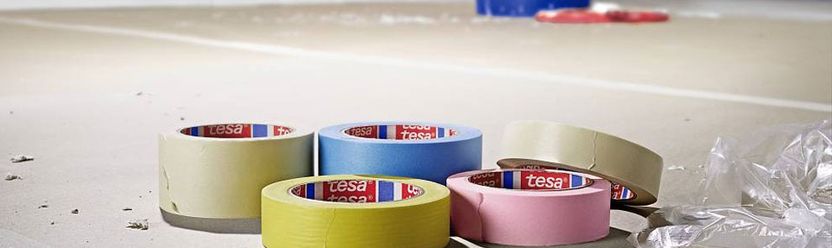
How to Choose the Right Masking Tape

Using tape may seem simple, but choosing the right tape and applying it correctly can make the difference between a clean result and unwanted issues. In this article, we explain step by step what to consider when working with tape, and which type of tape to use in various situations.
Why high-quality tape is important
Tape is more than just a roll of sticky material. The right tape supports you in carrying out precise work. Whether you're painting, masking, or marking: good tape helps you avoid mistakes and saves time. It must match the task, the surface, and the conditions.
Ask yourself these questions before you start
Before you start working with tape, it’s important to ask yourself a few practical questions. These will help you determine which tape is best for your application:
- What kind of work will I be doing?
- What are the environmental and location factors?
- How long should the tape stay in place?
- How can I remove the tape cleanly?
- What type of surface am I taping?
Match the tape to the type of work
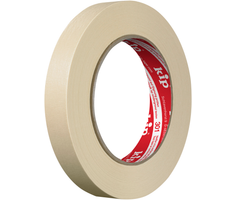
Not every task requires the same kind of tape. Whether you're painting, plastering, sandblasting, or upholstering, a different tape is needed each time. That’s why it’s important to choose a tape that fits your application.
For example:
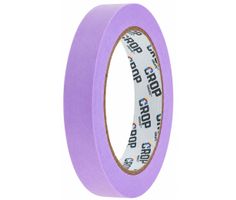
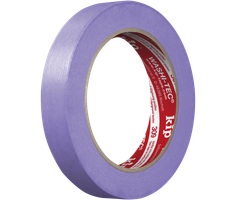
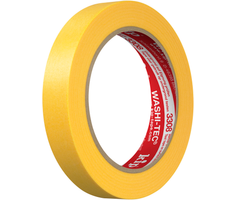
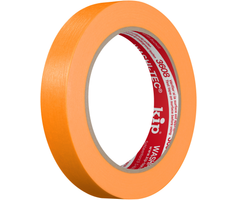
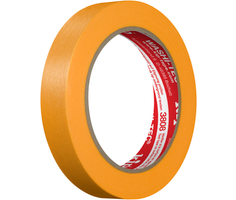
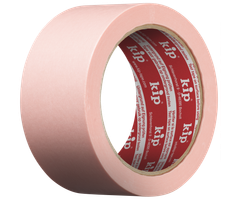
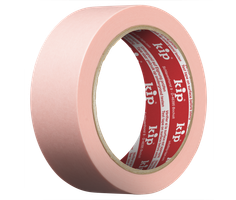
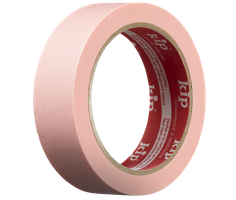
- Painting? Choose a painter’s tape or Washi tape.
- Plastering? Use Stucloper tape with stronger adhesion.
- Spray painting? Choose a tape resistant to solvents and high temperatures.



Environmental factors affect adhesion
Tape responds to external influences such as temperature, humidity, UV exposure, and whether it’s used indoors or outdoors. All of these factors impact how well tape sticks and how easily it can be removed.
Keep the following in mind:
- Apply tape ideally between 10°C and 25°C (50–77°F).
- Don’t apply tape in rain, high humidity, or on damp surfaces.
- UV light can dry out or discolor tape. Use UV-resistant tape in such cases.
Determine the appropriate usage duration
Not all tape is suitable for long-term use. Tape with acrylic adhesive is more resistant to aging than hotmelt adhesive, which dries out more quickly.
Tip:
If you need tape to stay in place longer, choose one with aging-resistant acrylic adhesive.
Remove tape cleanly and safely
To remove tape without leaving adhesive residue or damaging the surface, follow these guidelines:
- Always peel the tape off slowly at a 45° angle.
- Make sure the surface is at least 5°C (41°F) when removing tape.
- Remove tape right after finishing the job, while the adhesive is still stable.
Choose tape based on surface type
Tape adhesion varies depending on the surface. Here’s which type of tape is most suitable for each material.
Tape for painted or coated surfaces
Use low-tack tape like Washi tape, and test it beforehand to ensure compatibility.
Tape for plastic surfaces
Use temporarily only and choose masking tape or Stucloper tape. Weathered plastic can affect adhesion.
Tape for metal
Use briefly and take temperature changes into account. Choose a masking tape that doesn’t oxidize.
Tape for glass
Use UV-resistant acrylic adhesive tape, such as Washi tape. A protective film is also an option.
Tape for wood
Choose low-tack tape like Washi masking tape or Stucloper tape to avoid surface damage.
Tape for concrete
Always test adhesion first for temporary masking. For marking, choose high-adhesion tape like floor marking tape.
Tape for natural stone
Not recommended: tape on natural stone like marble can cause discoloration.
Tape for brick or masonry
Preferably use PVC masking tape. Watch out for efflorescence which can reduce adhesion.
Tape for wallpaper
Only use Washi masking tape with very low tack on paper wallpaper.
Summary: how to choose the right tape
When working with tape, preparation is key. The correct choice depends on several factors:
- The type of job
- The surface material
- Environmental influences
- Desired duration of use
Expert tip: Always test the tape on a small area first to see how it behaves. That way, you avoid surprises.