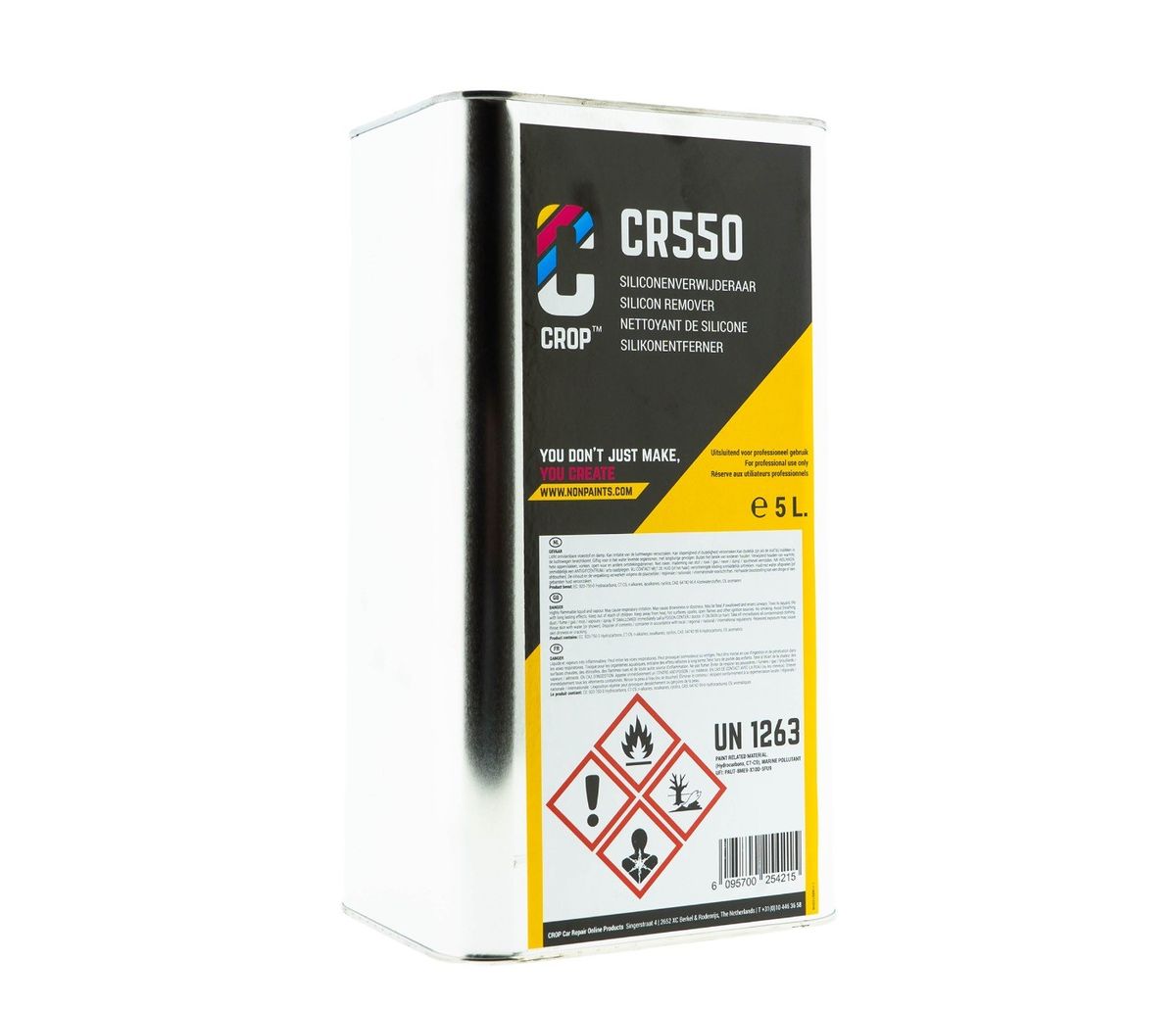
CROP Silicone Remover 5 liter

- 1 unit €32.11 €32.11
-
8 units
Save 5% ea. €30.50 €30.50
-
10 units
Save 10% ea. €28.90 €28.90
-
100 days returns & exchanges
- Customer reviews: 4.63/5 (8,105 reviews)

CROP Silicone Remover for Car Paint and Bodywork
CROP Silicone Remover is a professional silicone remover and degreaser for car paint, specially designed for cleaning surfaces before sanding, priming, and painting. This powerful cleaner helps remove silicone, grease, wax, and other contaminants that can disrupt paint adhesion and finish. Remaining pollution can lead to silicone craters, poor paint adhesion, and other paint defects. With CROP Silicone Remover, you carefully prepare suitable body parts for the next operation. The product can be used on steel, aluminum, various plastics, and fully cured 2K paint layers. This makes the silicone cleaner a practical choice for auto paint shops, body shops, and professionals aiming for a smooth and even paint result.
Professional Silicone Remover for Auto Body Repair
Proper preparation is essential when you are going to spray car paint. Even small amounts of silicone, oil, or wax can cause the paint not to flow out nicely or adhere insufficiently. CROP Silicone Remover helps remove such contamination before you start sanding or painting. This degreaser for bodywork and painting is suitable for use at normal workshop temperatures and can be applied to suitable metals, plastic parts, and fully cured paint layers. Especially when degreasing plastic body parts, extra attention is important, as residues of release agents and waxes can be stubbornly left behind. By thoroughly cleaning the surface, you reduce the chance of silicone craters and adhesion problems. Thus, CROP Silicone Remover forms an important step in professional paint preparation.
How to Use CROP Silicone Remover
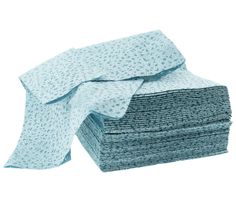
Use CROP Silicone Remover to clean and degrease suitable surfaces before sanding, priming, or painting. The product is applied undiluted with a soft, lint-free cloth. Check the resistance of sensitive materials in advance and let the surface dry completely before proceeding.
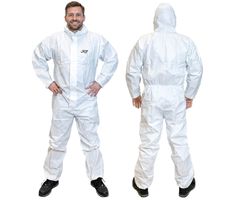
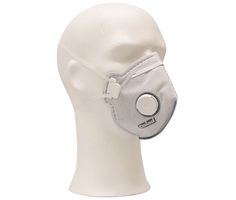
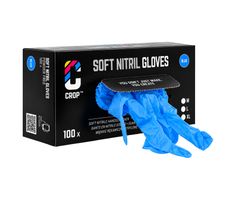
- Prepare the workspace: ensure adequate ventilation, wear suitable protective equipment, and remove sources of ignition
- Check the substrate: if in doubt, test on an inconspicuous place whether the surface is resistant to the silicone remover
- Remove loose dirt: clear the surface of dust, sand, and other visible contaminants
- Apply the silicone remover: moisten a clean, soft, and lint-free cloth with undiluted CROP Silicone Remover
- Clean the surface: carefully clean the part to be treated to loosen silicone, grease, and wax
- Remove the contamination: pick up dislodged contaminants with a second clean, lint-free cloth
- Repeat if necessary: clean heavily contaminated surfaces and plastic parts extra carefully
- Allow to evaporate completely: wait until the surface is dry before starting to sand, prime, or paint
Features of CROP Silicone Remover
- Professional silicone remover for auto body repair and auto paint shops
- Suitable for cleaning and degreasing before spraying car paint
- Helps remove silicone, grease, oil, and wax
- Supports good paint adhesion and even paint finish
- Helps reduce the chance of silicone craters and other paint defects
- Suitable for steel, aluminum, and various plastic body parts
- Applicable on fully cured 2K paint layers
- Ready to use and easy to apply with a soft, lint-free cloth
Pros and cons
- Removes silicone, grease, and wax that can disrupt paint adhesion and a uniform finish
- Helps prevent silicone craters and paint defects when preparing body parts for painting
- Widely applicable on suitable metals, plastics, and fully cured 2K paint layers
- Plastic parts require extra careful cleaning because residues of silicones and release agents can remain stubbornly
Specifications of CROP Silicone Remover 5 liter





Frequently Asked Questions
What can I use to degrease?
Can I degrease with brake cleaner?
How to degrease car paint?
How much can I spray with a spray can?
A 400ml spray can covers approximately 1.5 to 2 m², depending on the material porosity and layer thickness. For larger projects or multiple layers, we recommend accounting for an extra 10% to ensure you don't run out halfway through.